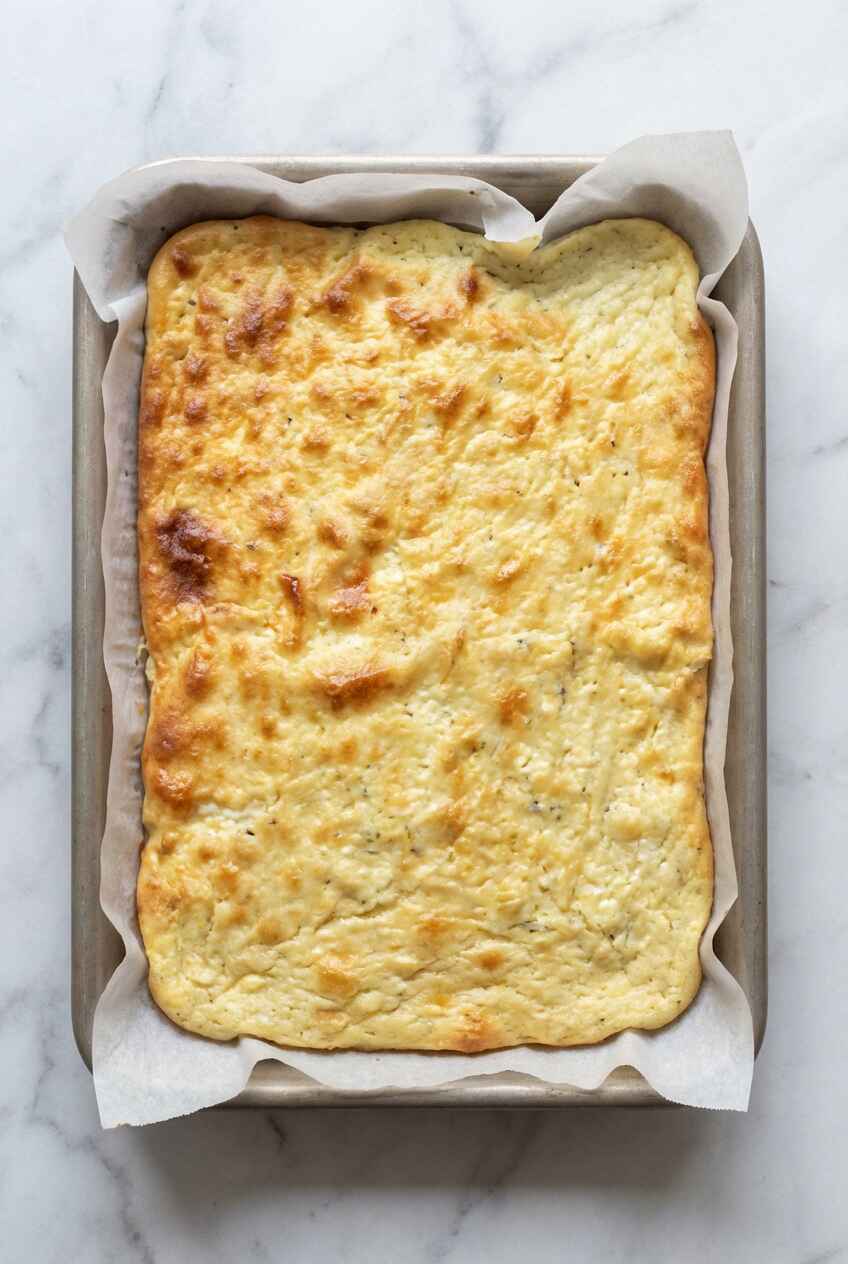
Most cottage cheese flatbread recipes turn dense or break when you try to keep them lighter, but this one stays soft, flexible, and high in protein — all thanks to one small step most people miss.
Why This Recipe Works
Cottage cheese replaces most of what traditional flatbread needs. It adds structure, moisture, and protein at the same time, which is why the texture holds without feeling heavy.
Blending it smooth and letting it rest briefly after cooking is what keeps it flexible instead of breaking. Using oat flour here helps stabilize the dough while keeping it light and easy to handle.
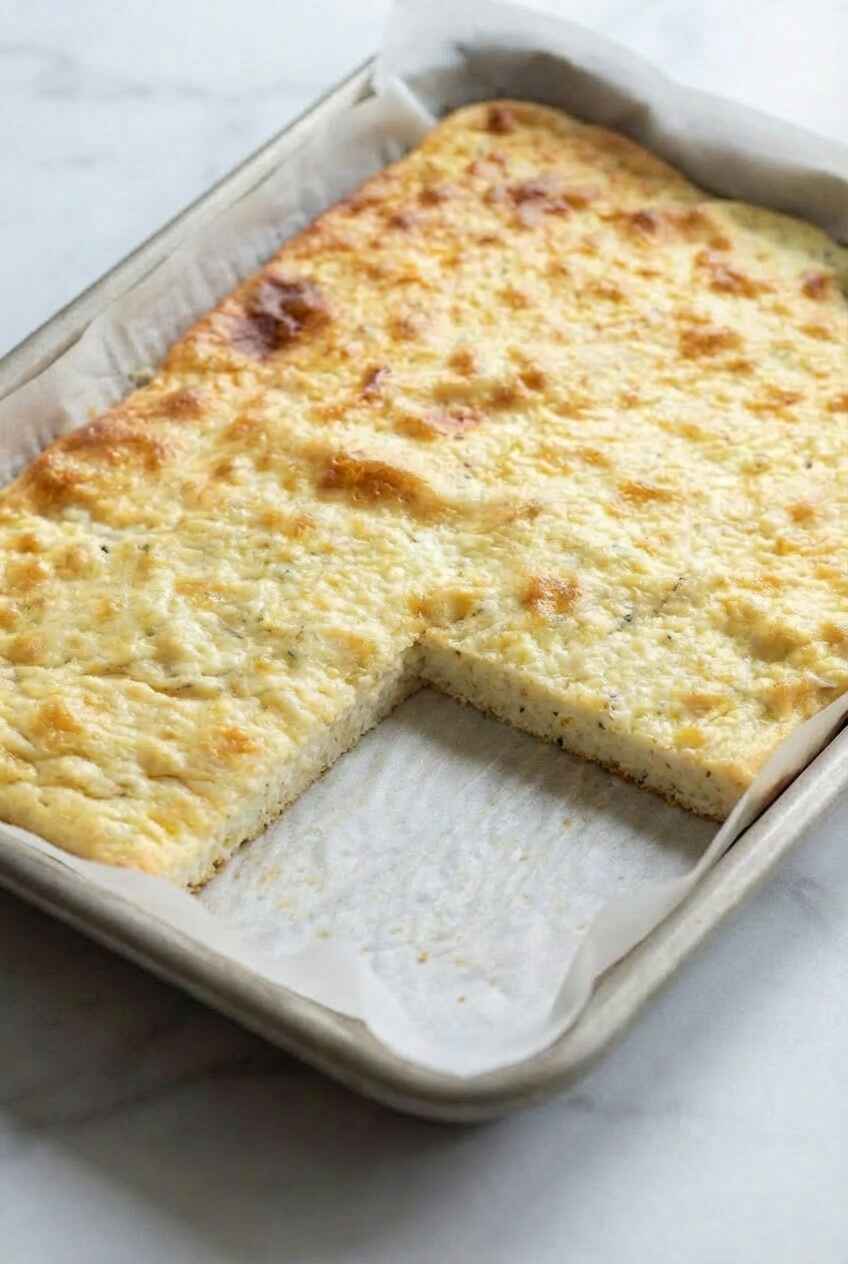
Table of Contents
The Ingredients You’ll Need

Cottage cheese
Egg
Oat flour
Salt
Optional: garlic powder or herbs
Cottage cheese does most of the work here. It binds everything together while keeping the flatbread soft and higher in protein.
How to Make Cottage Cheese Flatbread
Blend Until Smooth
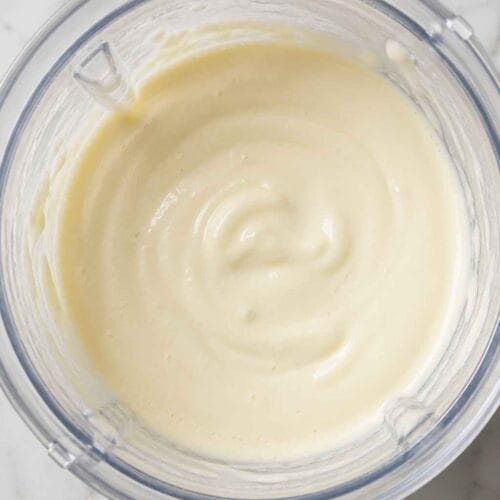
Blend the cottage cheese with the egg until completely smooth. Any lumps here will affect the final texture.
Mix and Spread
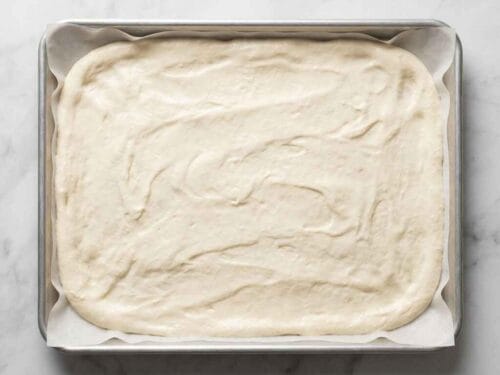
Add the oat flour and salt, then mix until you get a soft, spreadable dough. Line a baking tray with parchment paper, then spread the dough evenly into a thin rectangular layer, smoothing the surface so it bakes evenly.
Cook and Let It Rest
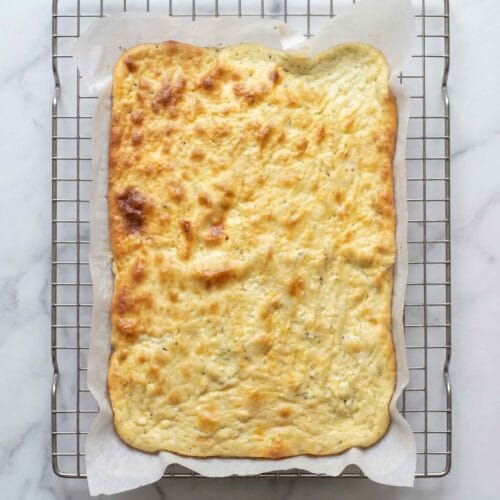
Bake until the surface is set and lightly golden, with soft edges and a slightly firm center. Remove from the tray and transfer to a cooling rack, then let it rest for 1–2 minutes before slicing. This short rest helps the flatbread firm up slightly, making it easier to handle without breaking while keeping the inside soft and tender.
Much like what you notice in a cottage cheese cheesecake after it sits briefly, the texture here settles quickly — turning from delicate to flexible without losing its softness.
No Flour & No Egg Options
Some versions of cottage cheese flatbread skip flour, but using oat flour here helps stabilize the dough and makes it easier to handle.
Reducing it too much makes the flatbread softer and harder to hold. The goal is balance, not removing structure completely.
Eggs aren’t always required, but they help bind the mixture and improve the final texture.
Texture & Tips
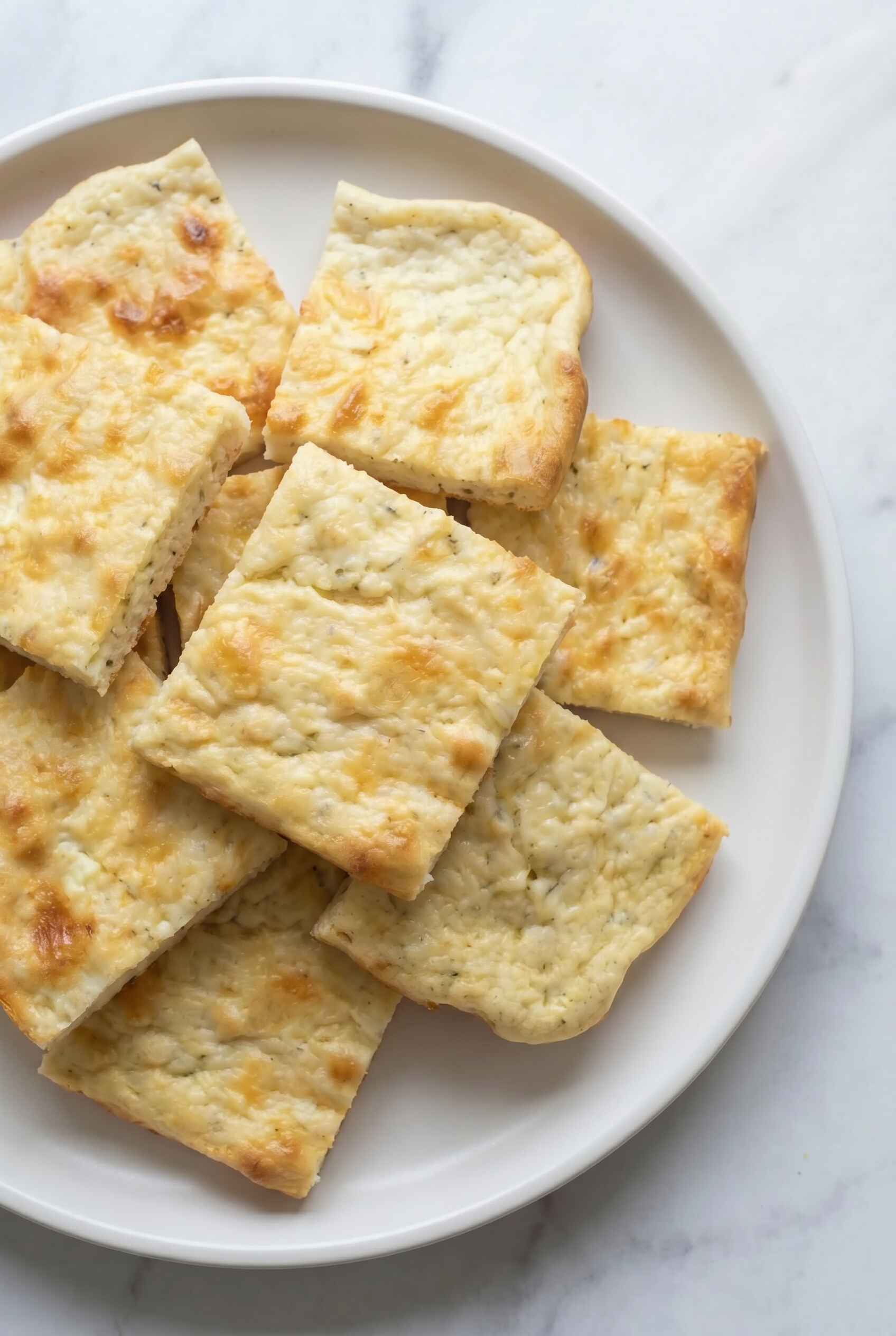
The flatbread should be soft, slightly dense, and flexible, holding its shape even when stacked while still looking moist inside.
If it turns out dry or stiff, it’s usually from spreading it too thick or baking it too long. Keeping the layer thin is what gives you that soft, bendable texture instead of a heavy one.
Cottage cheese is naturally high in protein and often used in lighter, balanced meals, which is part of why this flatbread feels satisfying without being heavy, as explained by the Cleveland Clinic
Blending until completely smooth and letting it rest briefly after baking are small steps, but they’re what create this cohesive, easy-to-slice texture.
Common Mistakes
Most issues with cottage cheese flatbread come from texture and timing.
Not blending the mixture fully is the first one. Even small lumps can affect how the flatbread holds together.
Using too much oat flour makes it dense. The dough should stay light and easy to spread.
Moving it too early after cooking is another problem. That short rest is what allows it to firm up without tearing.
Ways to Use This Flatbread
You can use this cottage cheese flatbread in a few simple ways:
• cottage cheese flatbread wrap — folds easily and holds fillings
• cottage cheese flatbread sandwich — light alternative to regular bread
• cottage cheese flatbread pizza — add toppings and finish in a pan
• cottage cheese flatbread air fryer — quick option when you want it faster
For a high-protein idea, pairing it with something like high protein buffalo chicken dip
keeps the meal simple and filling without adding extra calories.
Meal Prep & Storage
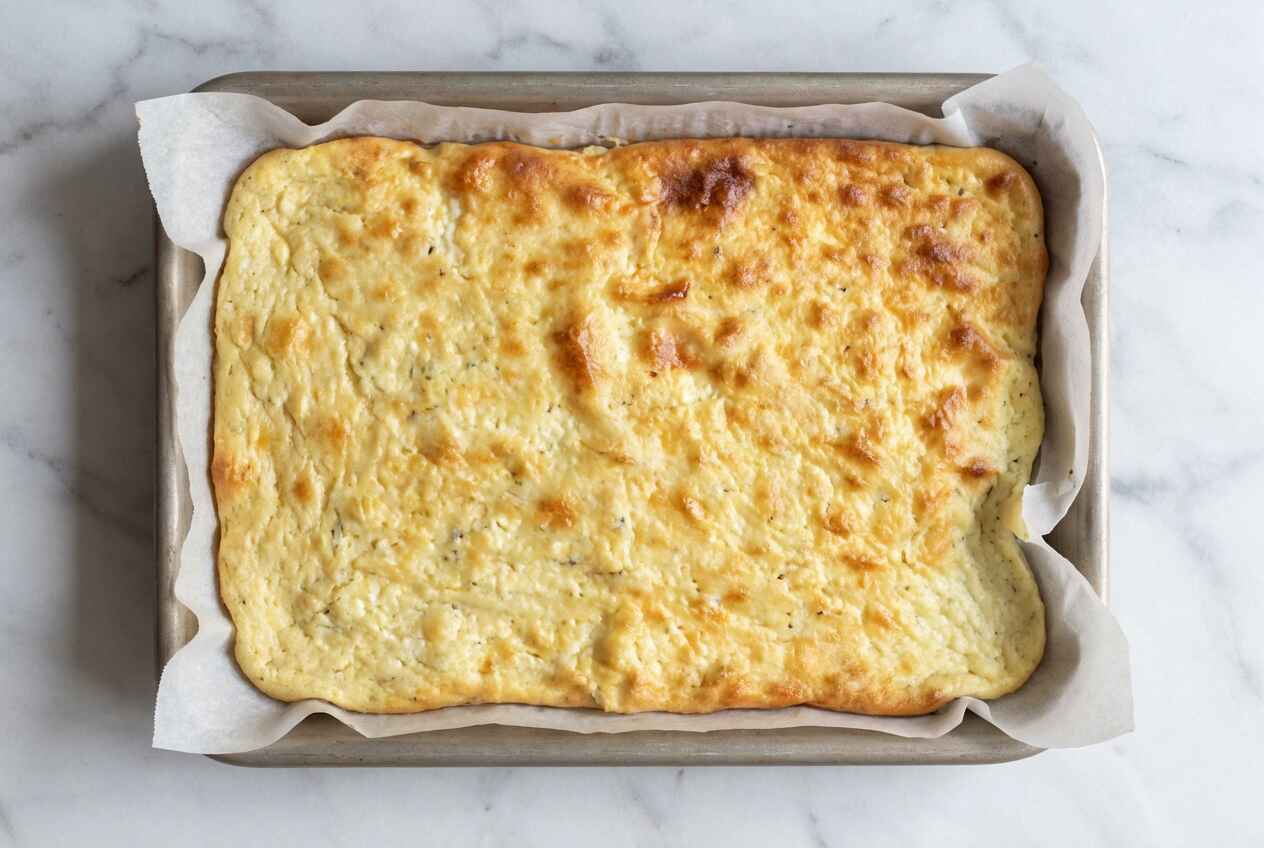
This cottage cheese flatbread holds up well for meal prep and stays usable after cooling.
Store it in an airtight container in the fridge for up to 3 days.
Reheat in a pan to bring back the texture instead of using a microwave.
It also works well alongside meals where you’d normally use bread, especially if you’re building a lighter plate like grilled chicken margherita olive garden
Final Thoughts
This cottage cheese flatbread is simple but reliable—soft, flexible, and easy to get right when kept thin and well blended.
Once you try the texture, it’s a go-to for quick, high-protein meals without feeling heavy.
cottage cheese flatbread

Ingredients
- 1 cup cottage cheese
- 1 egg
- 1/2 cup oat flour
- 1/4 tsp salt
Instructions
- Blend cottage cheese and egg until completely smooth.
- Add oat flour and salt, then mix until a soft dough forms.
- Line a baking tray with parchment paper and spread the dough thin and evenly.
- Bake at 180°C (350°F) for 20–25 minutes until lightly golden.
- Let it rest for 1–2 minutes, then slice and serve.
Notes
FAQs
Can I make cottage cheese flatbread without flour?
Reducing flour is possible, but removing it completely makes it harder to handle.
Can I cook cottage cheese flatbread in the air fryer?
Yes, just keep the layer thin so it cooks evenly.
Is cottage cheese flatbread good for weight loss?
It can be, since it’s higher in protein and lighter than traditional bread.