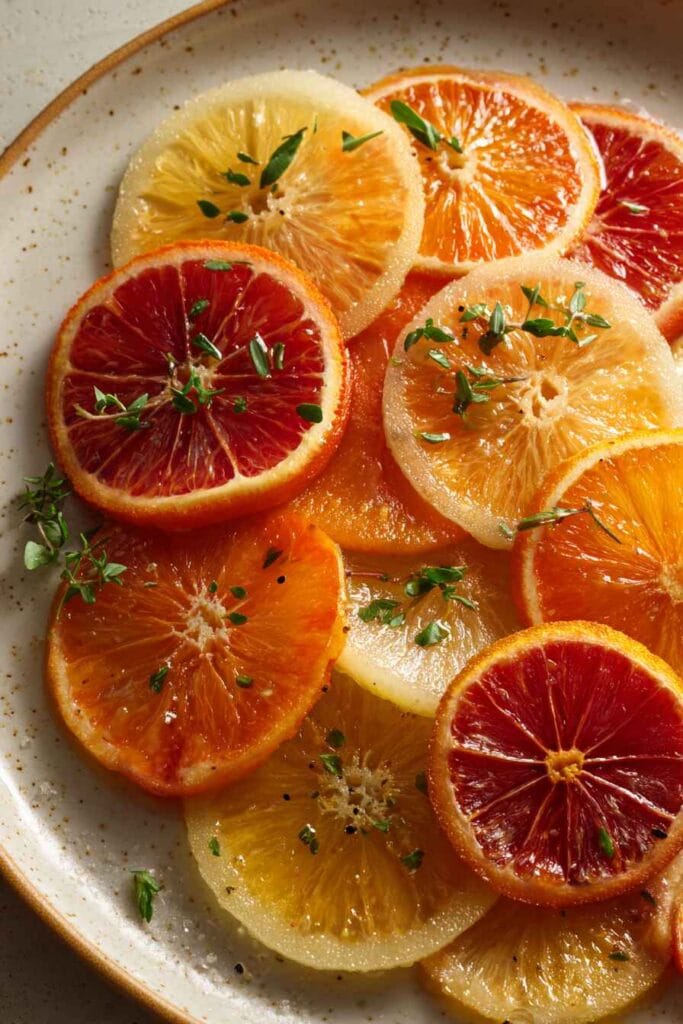
Most candied orange slices fail for a reason you don’t notice at first. This recipe is built around that exact moment, using a calm process that keeps the slices glossy, balanced, and properly set.
Why This Recipe Works
This method uses gentle heat and patience to create evenly candied orange slices without stickiness. The sugar absorbs slowly, the slices dry properly, and the texture stays firm and glossy once cooled.

Table of Contents
The Ingredients You’ll Need
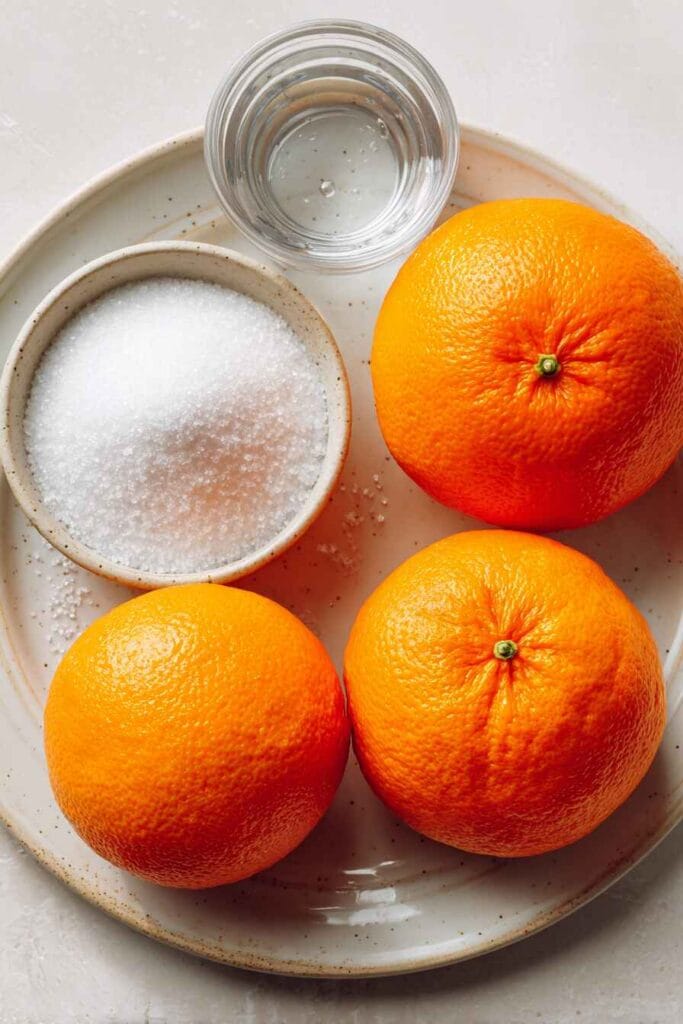
- Fresh oranges
- Granulated sugar
- Water
No extras are needed. Keeping it minimal helps the sugar set cleanly.
How to Make This Recipe
Preparing the Orange Slices
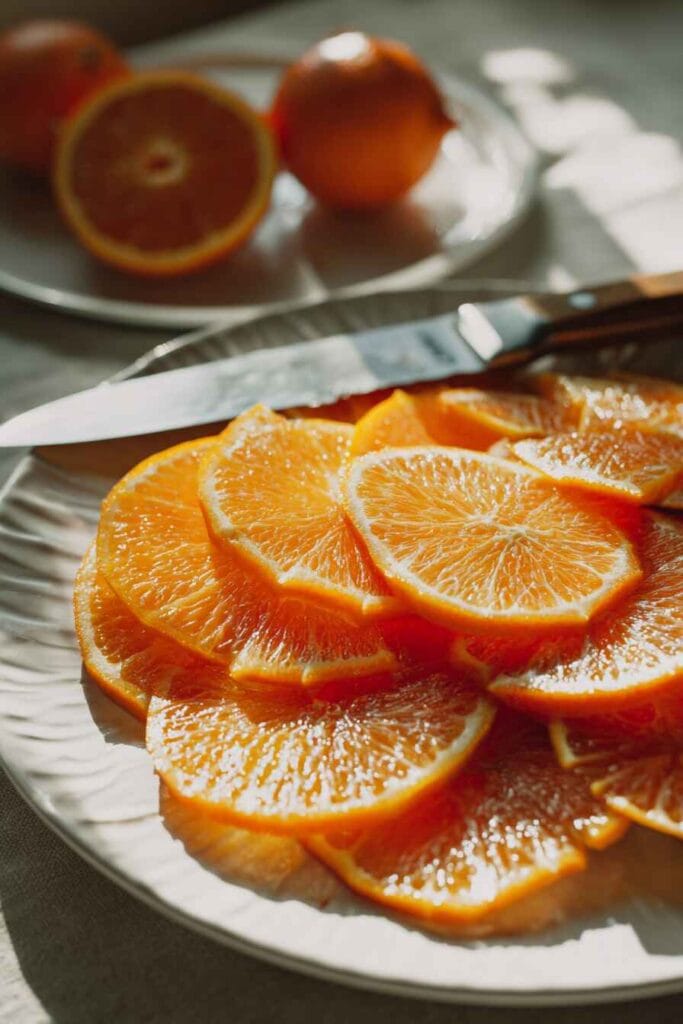
Wash the oranges thoroughly and slice them evenly. Thickness matters more than precision. Very thin slices break down, while thicker ones stay wet in the center.
Candying Without Bitterness
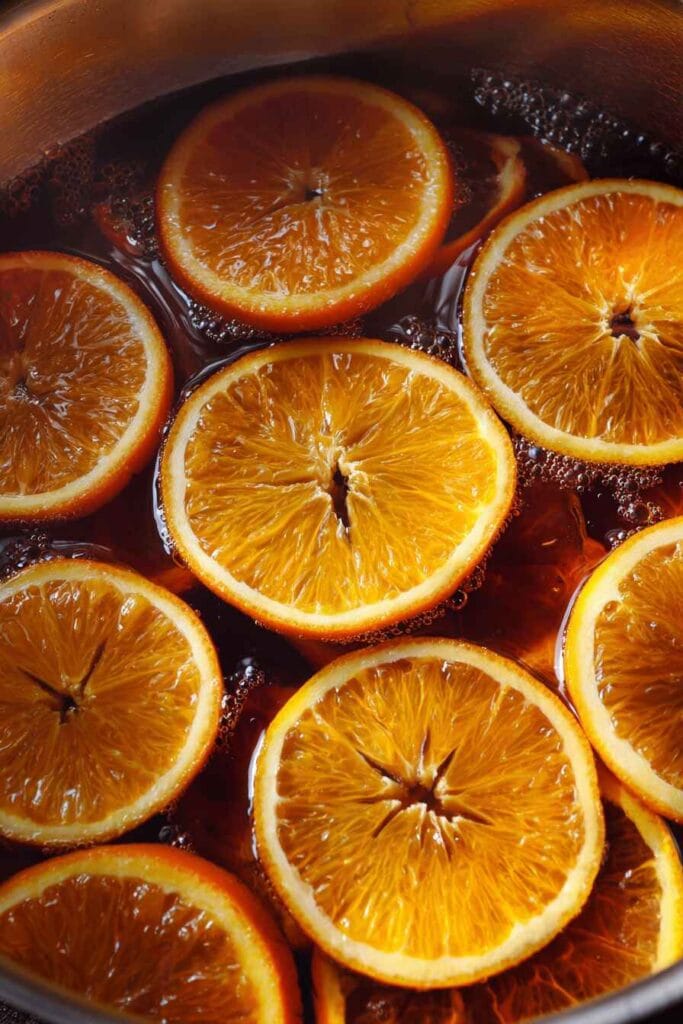
Simmer the slices gently in sugar and water until they turn translucent. This slow process reduces harsh bitterness instead of masking it. Rushing here is where many batches go wrong.
Drying for the Right Texture
Lay the slices out with space between them so air can circulate. They will feel soft at first, which is normal. As they rest, the surface firms and the sugar sets naturally.
In real kitchens, impatience causes most issues. Touching or moving the slices too early almost always leads to sticking.
The same attention to moisture and timing applies to other fruit-based desserts as well, like tender where controlling heat and spacing makes all the difference: fried apples recipe
Why Did My Candied Orange Slices Turn Sticky Overnight?
This usually means they were stored before the sugar fully set. Even slight moisture can pull sugar back to the surface and change the texture.
Lay the slices back out with space between them and let them air-dry longer. In most cases, they recover without starting over.
Common Mistakes and How to Fix Them
Uneven slicing is one of the most common issues. Thick slices stay wet in the center, while thin ones break down during candying.
Crowding during drying causes trapped moisture. Giving the slices space solves more problems than most people expect.
Bitterness usually means the candying step was rushed. Slower simmering makes a clear difference.
Getting the Texture You Want
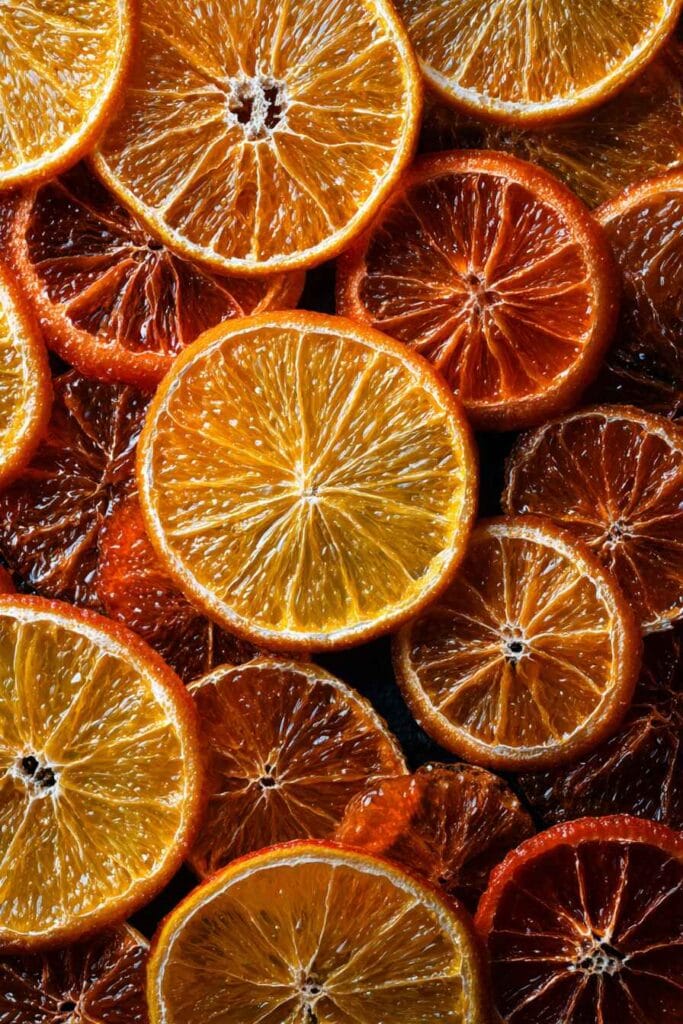
Soft, flexible slices work best as garnishes or toppings. Firmer, fully dry slices are better for snacking and storage.
Texture is decided after cooking, not during it. Letting the slices rest undisturbed allows the sugar to set naturally.
Waiting longer than feels necessary often produces the cleanest finish.
Candied Orange Slices Dipped in Chocolate
Once the slices are completely dry, they can be dipped in melted chocolate. Any surface moisture will prevent the chocolate from setting cleanly.
This variation works especially well when sweetness and texture are balanced, similar to how contrast matters in desserts like cottage cheese chocolate mousse, where smoothness depends on proper moisture control:
cottage cheese chocolate mousse
Dry Candied Orange Slices for Snacking
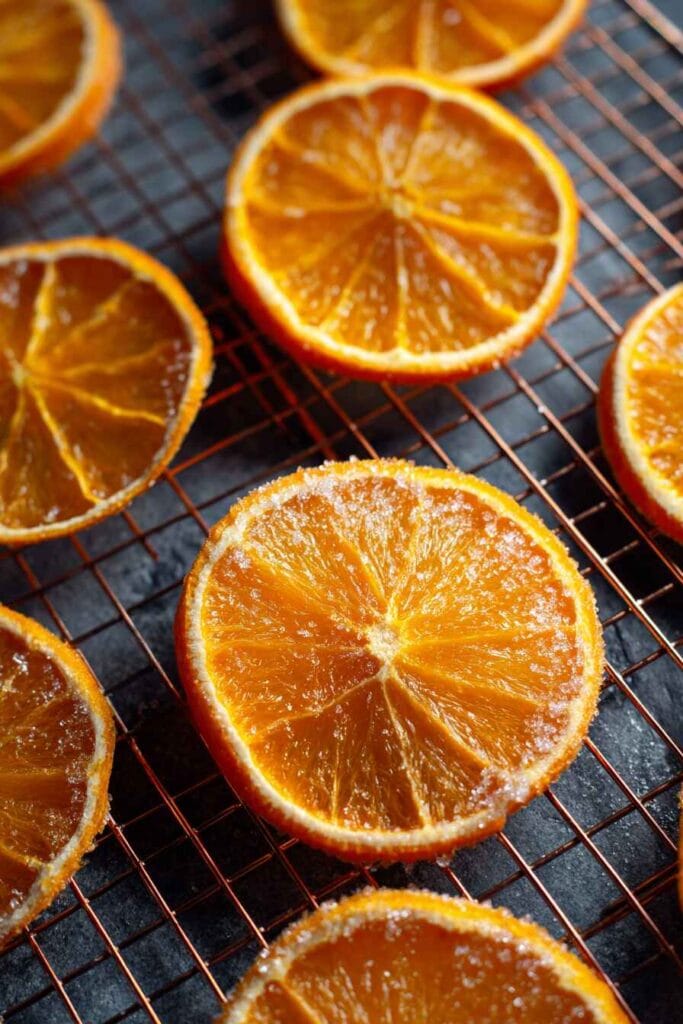
For a drier finish, extend the drying time and flip the slices once. They should feel firm but not brittle.
These slices are ideal for snack jars, gift boxes, or simple dessert boards.
Using Candied Fruit Peel Beyond Desserts
Candied fruit peel isn’t limited to sweets. It can be chopped into baked goods or used as a small accent where sweetness balances acidity.
Keeping portions modest helps maintain balance.
Orange Slice Candy Nutrition: What to Expect
These slices are mostly fruit and sugar. They provide quick energy and citrus flavor but are best enjoyed in moderation.
They work better as a treat than a main snack.
Storage Tips That Prevent Sugar Bloom
Store slices with parchment between layers in a cool, dry place and avoid sealing them too early, since trapped moisture can affect the surface. Basic food preservation principles explain why airflow matters more than temperature when working with sugar-based treats like candied fruit.
Final Reassurance Before You Start
If the process feels slow, that’s normal. This recipe rewards patience more than precision.
Give the slices time, space, and air—the results will follow.
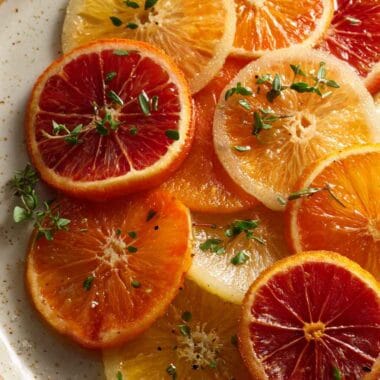
Candied Orange Slices Made Right in 3 Simple Steps

Ingredients
- 3 oranges
- 2 cups granulated sugar
- 2 cups water
Instructions
- Wash the oranges thoroughly and slice them evenly.
- Simmer the slices gently in sugar and water until translucent.
- Remove the slices and place them on a rack or parchment to dry with space between each piece.
Notes
Nutrition (Per Serving)
| Nutrient | Amount |
|---|---|
| Serving Size | 2–3 slices |
| Calories | ~90 kcal |
| Sugar | ~18g |
| Sodium | ~5mg |
| Fat | 0g |
| Saturated Fat | 0g |
| Unsaturated Fat | 0g |
| Trans Fat | 0g |
| Carbohydrates | ~22g |
| Fiber | ~1g |
| Protein | ~1g |
| Cholesterol | 0mg |
Note: Nutritional values are approximate and may vary depending on ingredients used.
Frequently Asked Questions
How long do candied oranges last?
When stored in a cool, dry place, they last up to two weeks. Humidity shortens shelf life.
If they become sticky, moisture has returned.
Can you freeze candied orange slices?
Yes, if they are fully dry. Freeze them in a single layer first, then store in a sealed container.
Thaw uncovered at room temperature to avoid condensation.
What to do with oranges that are drying out?
Drying oranges can still be used. Slice them slightly thinner and allow extra time during candying.
They usually soften enough to work well.