A Quick Story – Why I Started Questioning My Chipotle Order
There I was, standing in line at Chipotle again, scrolling through my phone like usual, when a message popped up:
“You’ve logged over 17 Chipotle meals this month.”
My health app had called me out.
That little notification made me pause for the first time.
I mean… I thought I was making healthy choices. I always skip the tortilla. I ask for brown rice. I choose grilled chicken.
But still — something wasn’t adding up. I felt bloated after meals. My energy dipped afterward.
So I finally asked myself the question most of us don’t:
Is Chipotle healthy?
And not just some of the time.
I wanted to know:
– What’s really in those bowls?
– How does Chipotle stack up compared to other meals?
– Can I eat it regularly without messing up my health?
Let’s find out.
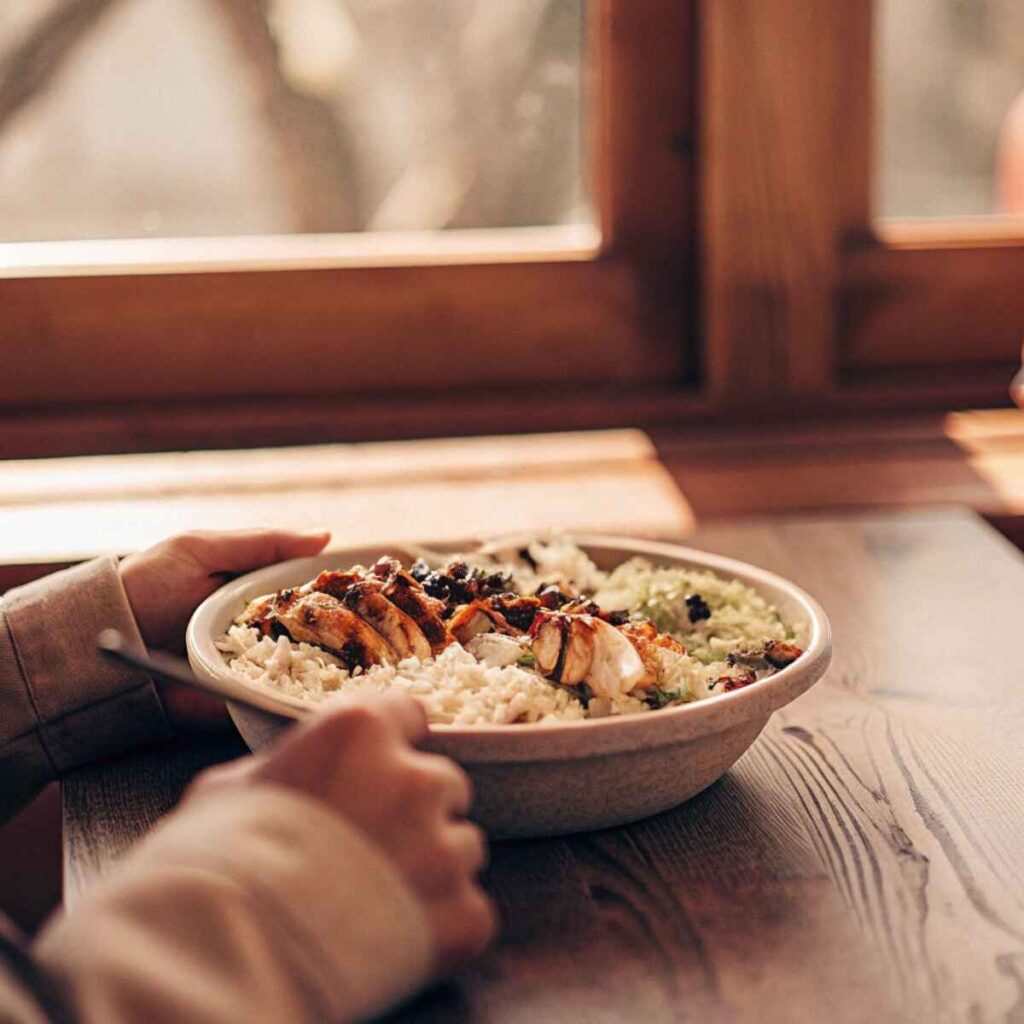
Table of Contents
What Makes People Ask, “Is Chipotle Healthy?”
It’s no secret — Chipotle markets itself as a “cleaner” fast-food option.
With customizable bowls, grilled meats, fresh salsas, and veggie toppings, it feels like we’re making good choices.
But here’s where it gets tricky:
- A bowl can start off light… then become a 1,200-calorie bomb in seconds.
- Toppings like cheese, sour cream, and guac add up fast.
- Portions are massive — even their “healthy” meals can overload you.
So when we ask “is chipotle healthy,” we’re not just wondering if the ingredients are okay — we’re asking if the way we eat it really fits our health goals.
Key Reasons People Wonder “Is Chipotle Healthy
“Many diners assume Chipotle is fast food, but the real question — is Chipotle healthy — depends on portion sizes, ingredients, and extras like chips or queso.”
Breaking Down a Typical Chipotle Meal
Let’s look at what most people get:
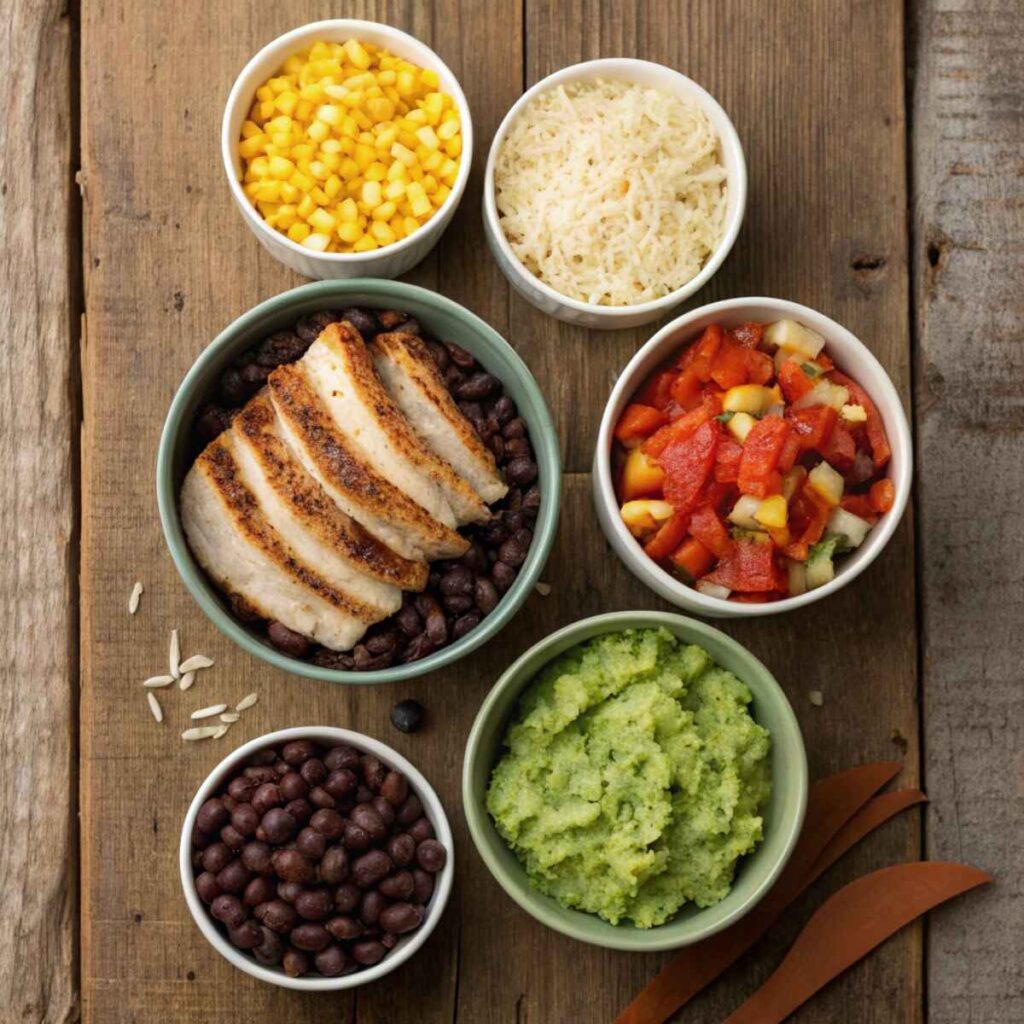
The Standard Burrito Bowl – What’s Inside?
A “normal” bowl might include:
- Brown rice
- Black beans
- Chicken
- Corn salsa
- Sour cream
- Cheese
- Guacamole
- Romaine lettuce
Sounds good, right? But here’s what that combo really delivers:
| Ingredient | Calories | Sodium | Fat |
|---|---|---|---|
| Brown rice (1 scoop) | 210 | 370mg | 4g |
| Black beans | 130 | 210mg | 1g |
| Chicken | 180 | 310mg | 7g |
| Corn salsa | 80 | 300mg | 1g |
| Sour cream | 110 | 30mg | 9g |
| Cheese | 110 | 190mg | 8g |
| Guacamole | 230 | 370mg | 22g |
| Lettuce | 5 | 5mg | 0g |
-Total: Over 1,050 calories, 1,785mg sodium, and 52g fat
That’s more than half your daily sodium — in one “healthy” bowl.
Chipotle Chicken vs. Other Proteins
If you’re going with grilled chicken — good job.
It’s one of the lowest-calorie, highest-protein options.
Here’s a quick comparison:
| Protein Option | Calories | Protein | Fat |
|---|---|---|---|
| Chicken | 180 | 32g | 7g |
| Steak | 150 | 21g | 6g |
| Barbacoa | 170 | 24g | 7g |
| Sofritas (tofu) | 150 | 8g | 10g |
| Carnitas | 210 | 23g | 12g |
Winner: Chicken is lean, high-protein, and relatively low in fat.
But again — it’s what you add around it that makes the difference.
Chipotle Nutrition Info – What You Need to Know
You can mix and match more than 65,000 combinations at Chipotle.
That’s awesome for customization — but also a danger zone if you’re not paying attention.
Here’s a breakdown of what adds the most calories, sodium, and fat:
| Item | What It Adds |
|---|---|
| Guacamole | +230 cal / 22g fat |
| Sour Cream | +110 cal / 9g fat |
| Cheese | +110 cal / 8g fat |
| Tortilla (burrito) | +320 cal / 10g fat |
| Chips + Queso | +780 cal (yes, really!) |
| Dressing (vinaigrette) | +220 cal / 16g fat |
Calories Breakdown – Is Chipotle Healthy for Weight Loss
“If your goal is weight management, you may ask yourself: is Chipotle healthy for a diet plan? The answer depends on skipping high-calorie add-ons like sour cream and extra cheese.”
So even if the base ingredients are fresh, the add-ons can make your meal not so healthy.
Is Chipotle Healthy? Smart Choices, Honest Answers
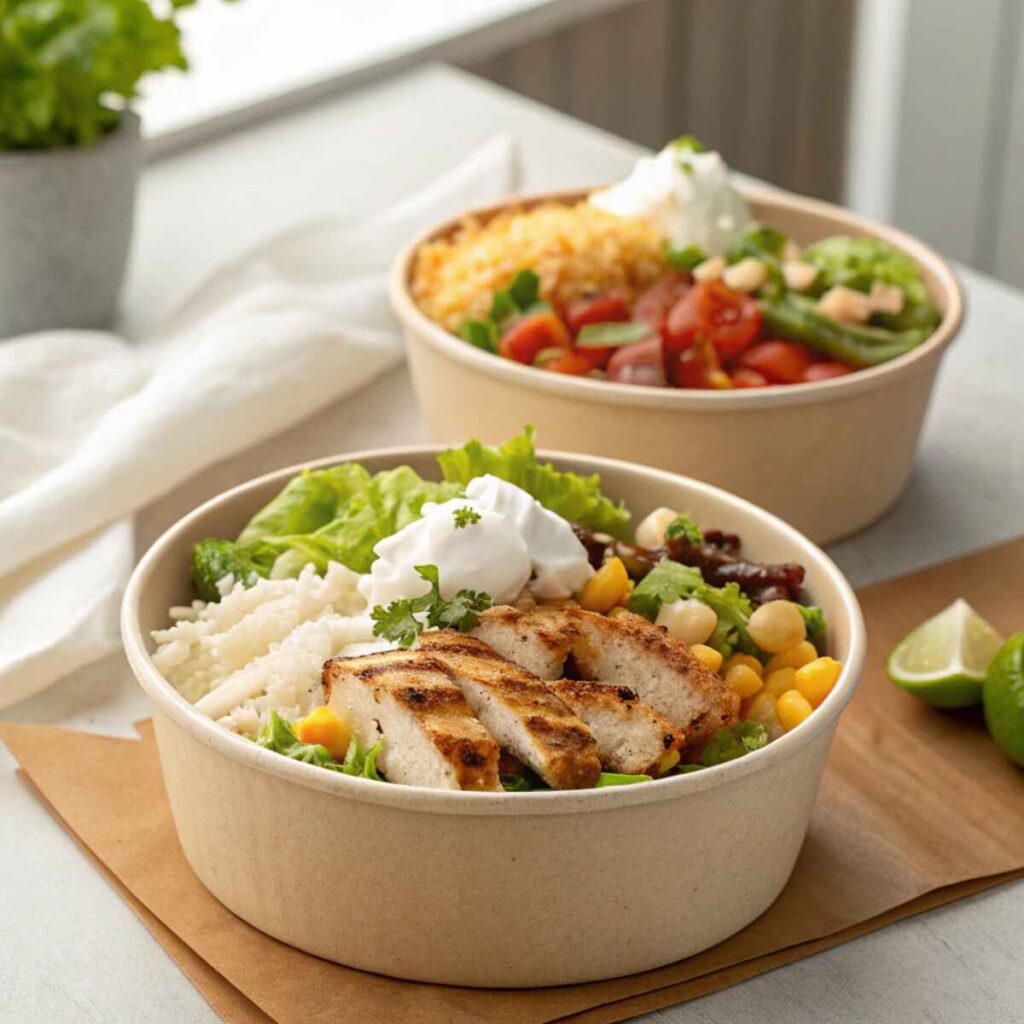
Is Eating Chipotle Everyday Healthy? The Honest Take
Let’s say it out loud: eating Chipotle every day sounds convenient… and a little exciting. But is it a good idea?
Short answer? Probably not — but maybe.
Let me explain.
If you’re ordering a balanced, veggie-loaded bowl with grilled chicken, skipping cheese and sour cream — you’re doing okay. Your body gets clean fuel, fiber, and protein.
But if you’re going full burrito with chips, guac, and soda every day… that’s where the trouble starts.
Here’s what happens when it becomes a daily habit:
- Sodium overload – Most meals pack over 1500mg.
- Massive portions – You might eat more than you need.
- Nutrient gaps – It’s hard to get variety from one restaurant.
- Mental reliance – You stop planning meals at home.
Bottom line: Even “clean fast food” should be part of a bigger picture — not the only one.
You can learn how to make your own chipotle-style meal at home with our copycat chipotle chicken recipe — same flavor, full control.
Is Chipotle Considered Fast Food? Let’s Settle It
Technically, yes.
Chipotle is fast food.
But not in the traditional deep-fryer, drive-thru, burger-slinging way.
They use fresh, real ingredients, allow for customization, and skip artificial preservatives. But it’s still:
- Mass-produced
- Quick-service
- High-calorie if you’re not careful
So the label “fast food” fits — but it’s the cleanest version of fast food we’ve had in decades.
Common Health Concerns People Have With Chipotle
When people ask “is chipotle healthy,” they often mean:
“Will this mess up my fitness goals, blood pressure, or digestion?”
Let’s break it down.
Sodium, Portions, and Processed Add-ons
- Sodium:
Some bowls have 1800mg+ sodium — that’s 75% of your daily max.
Solutions: Skip cheese, sour cream, vinaigrette. Choose beans + veggies. - Portion Size:
A Chipotle bowl can easily feed two people. But most of us eat the whole thing.
Solutions: Ask for a “light” scoop or save half for later. - Processed Items:
The meats are grilled, but some sauces, queso, and dressings may contain added oils or processed ingredients.
Solutions – How to Keep Your Chipotle Order Healthy
This is the fun part. Chipotle gives you all the tools — you just need the strategy.
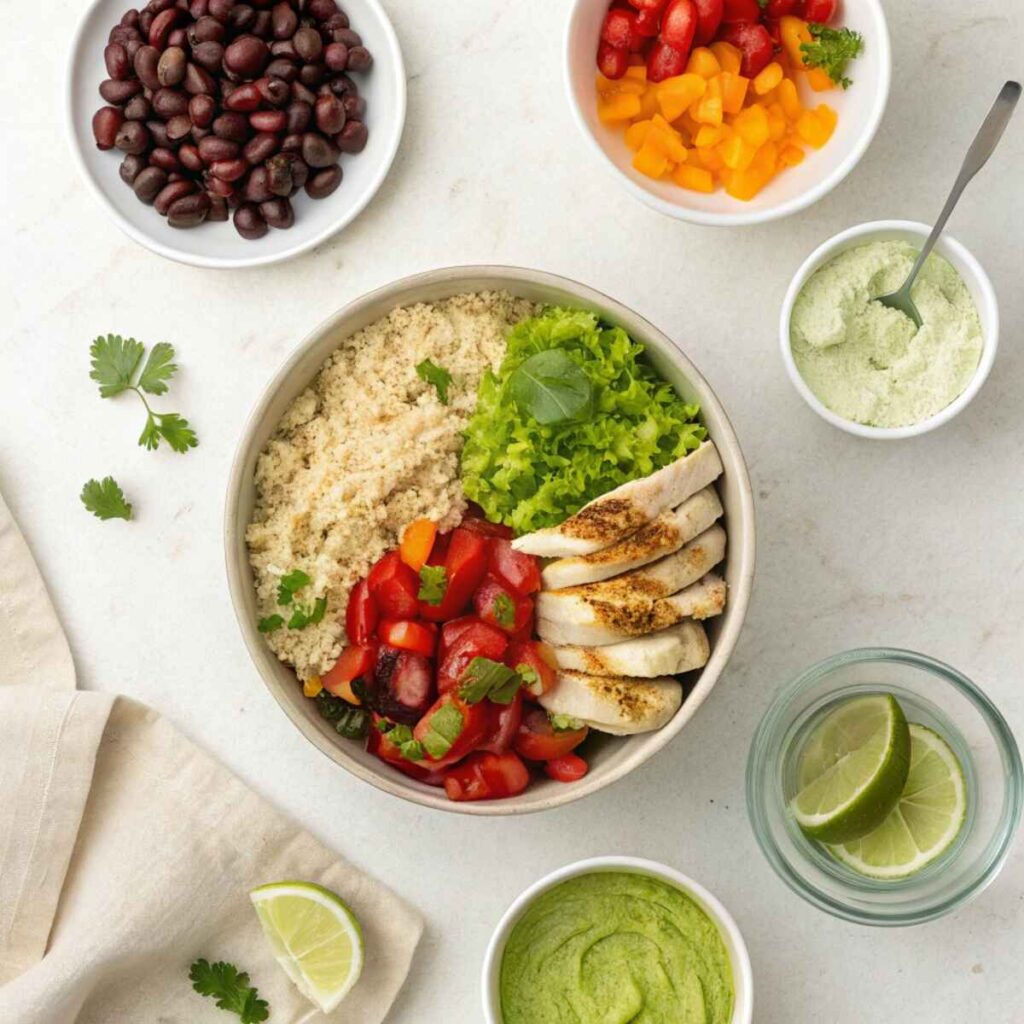
Tips to Balance Your Macros & Calorie
– Choose a bowl instead of a burrito
– Go easy on the rice (or skip it entirely)
– Add extra veggies or beans to bulk up your bowl with more fiber and fullness—without overloading on calories.
– Choose grilled chicken — best calorie-to-protein ratio
– Skip sour cream and cheese — or ask for just a small amount
– Watch the vinaigrette! It has over 200 calories
– Stick with water or unsweetened tea — avoid soda
Low-Calorie Chipotle Bowl (Ingredients Only)
Here’s a great way to build a delicious meal with fewer than 550 calories:
- Base: Romaine + fajita veggies
- Protein: Grilled chicken
- Toppings: Tomato salsa, corn, a small scoop of guacamole
- Extras: No cheese, no sour cream, no chips
“This combo keeps you satisfied and fits right into your healthy eating plan.”
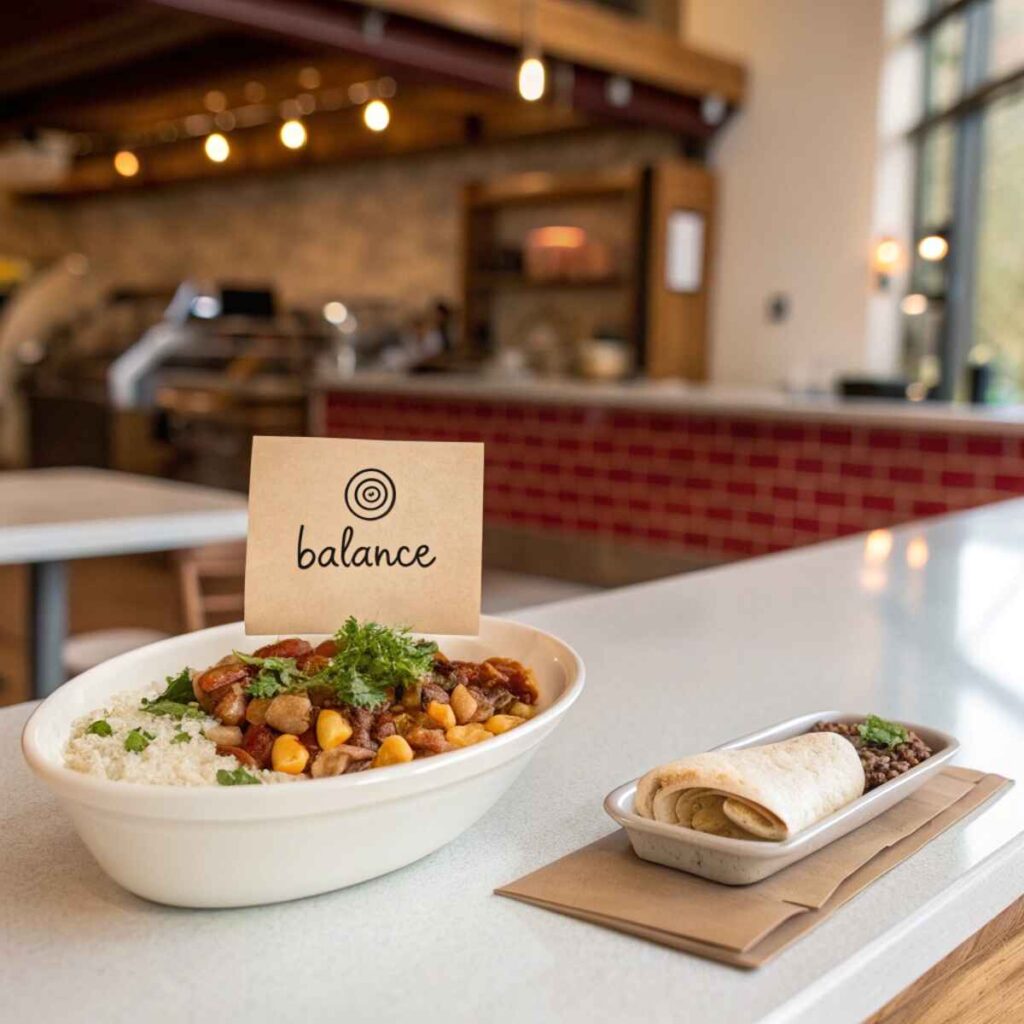
Final Thoughts – So… Is Chipotle Healthy?
Let’s be real: Chipotle is not a miracle food, but it’s also not your typical fast food joint.
It’s what you make of it.
A mindful Chipotle order can:
- Be high in protein and fiber
- Keep calories in check
- Be veggie-packed and satisfying
But a loaded burrito with chips and soda? That’s a different story.
Your best option? Mix it up. Enjoy Chipotle occasionally, build smarter bowls, and try recreating meals at home like this copycat chipotle chicken recipe.
Balance is everything.
FAQs – Clear Answers About Chipotle and Health
Is Chipotle brown rice healthy?
Yes — it has more fiber and nutrients than white rice. But portion size still matters.
How many calories is a Chipotle meal?
Anywhere from 500 to 1200+ calories, depending on your ingredients.
Is Chipotle sauce healthy?
Some sauces (like vinaigrette or queso) are high in fat and sodium. Use sparingly or skip.