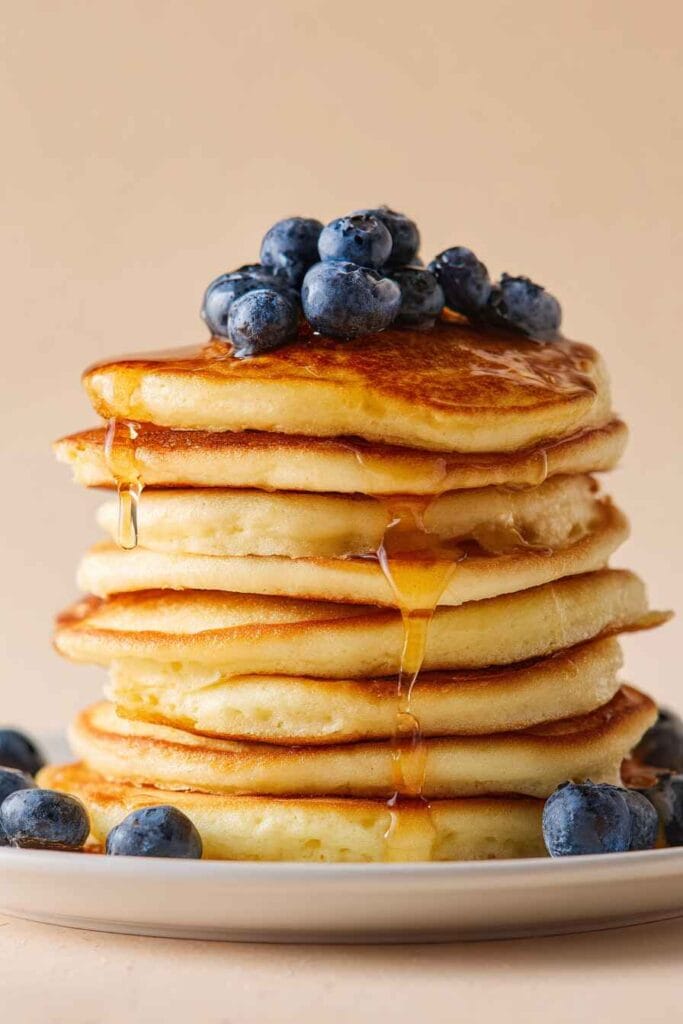
These high protein cottage cheese pancakes deliver about 22g of protein per serving while staying around 350 calories.
Fluffy, lightly golden, and ready in 15 minutes — without protein powder or a rubbery texture.
Why This Recipe Works
Cottage cheese adds protein and moisture at the same time.
That’s what keeps these pancakes soft instead of dense.
Blending removes the curds completely, so the texture stays smooth and comforting — not heavy.
It feels like real food, not a “fitness” version.
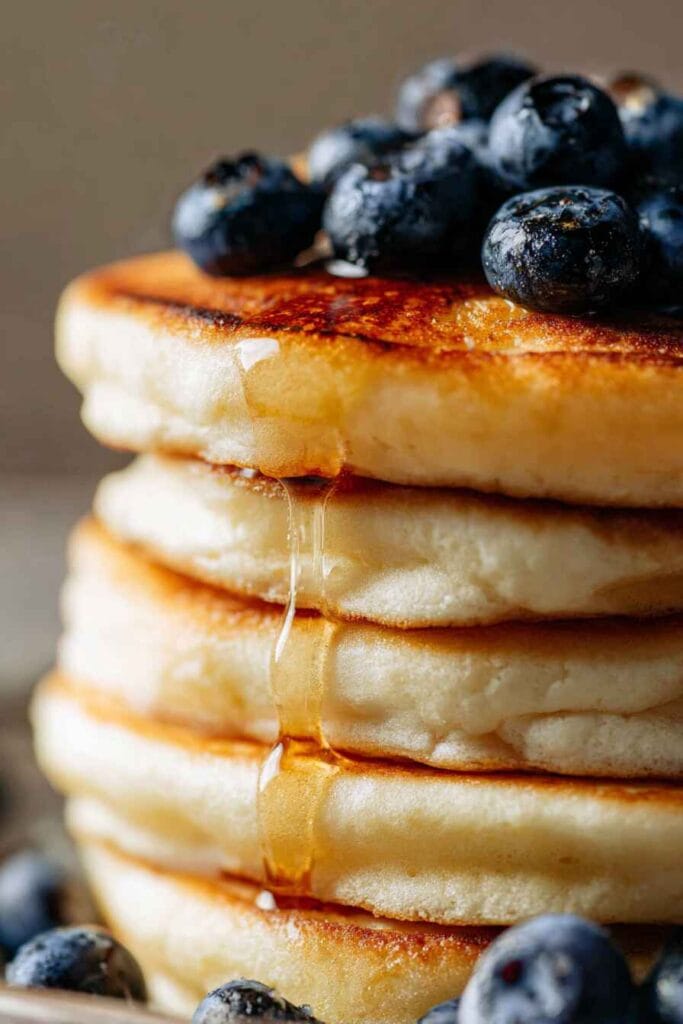
Table of Contents
The Ingredients You’ll Need
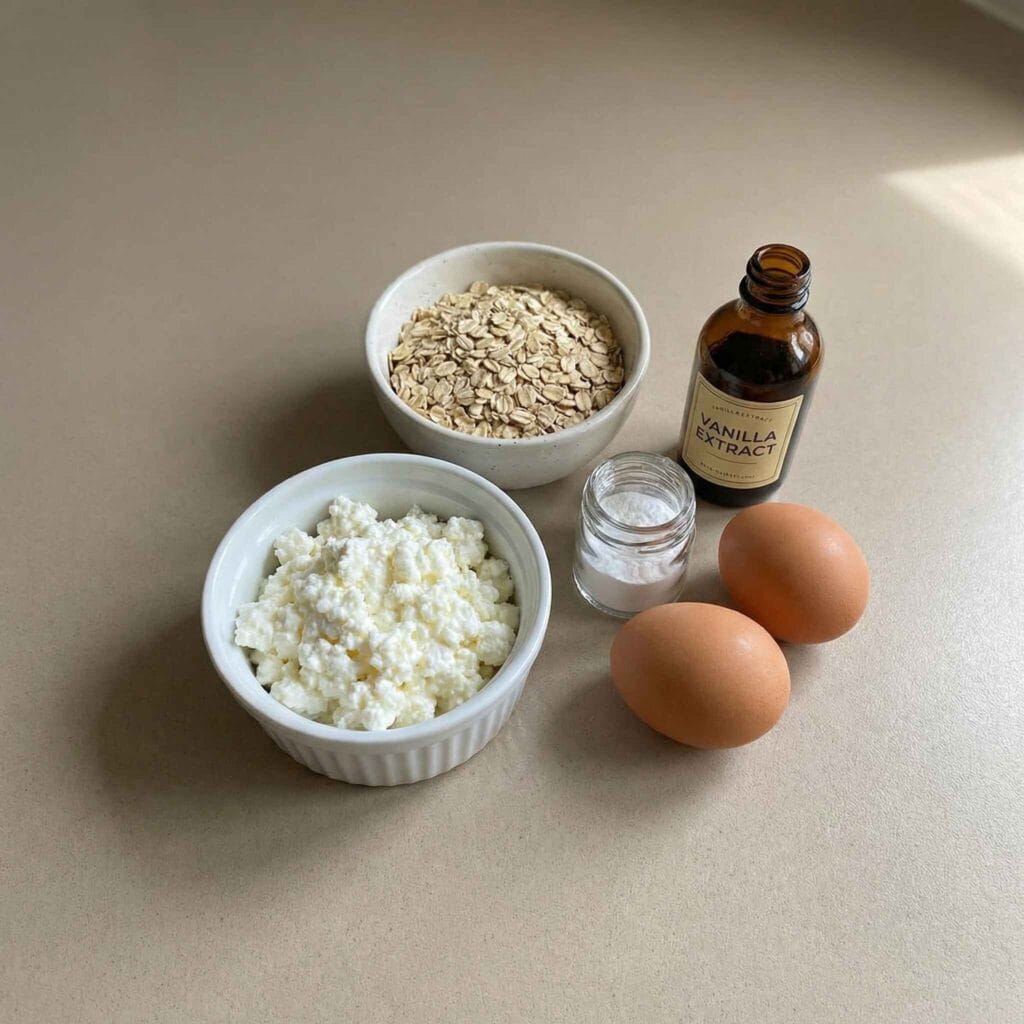
Simple, balanced ingredients.
- Cottage cheese
- Eggs
- Oats or oat flour
- Baking powder
- Vanilla extract
- Pinch of salt
- Optional: blueberries
Cottage cheese is the protein base.
Oats provide structure without drying the pancakes out.
Eggs hold everything together naturally.
How to Make This Recipe
Step 1 – Blend
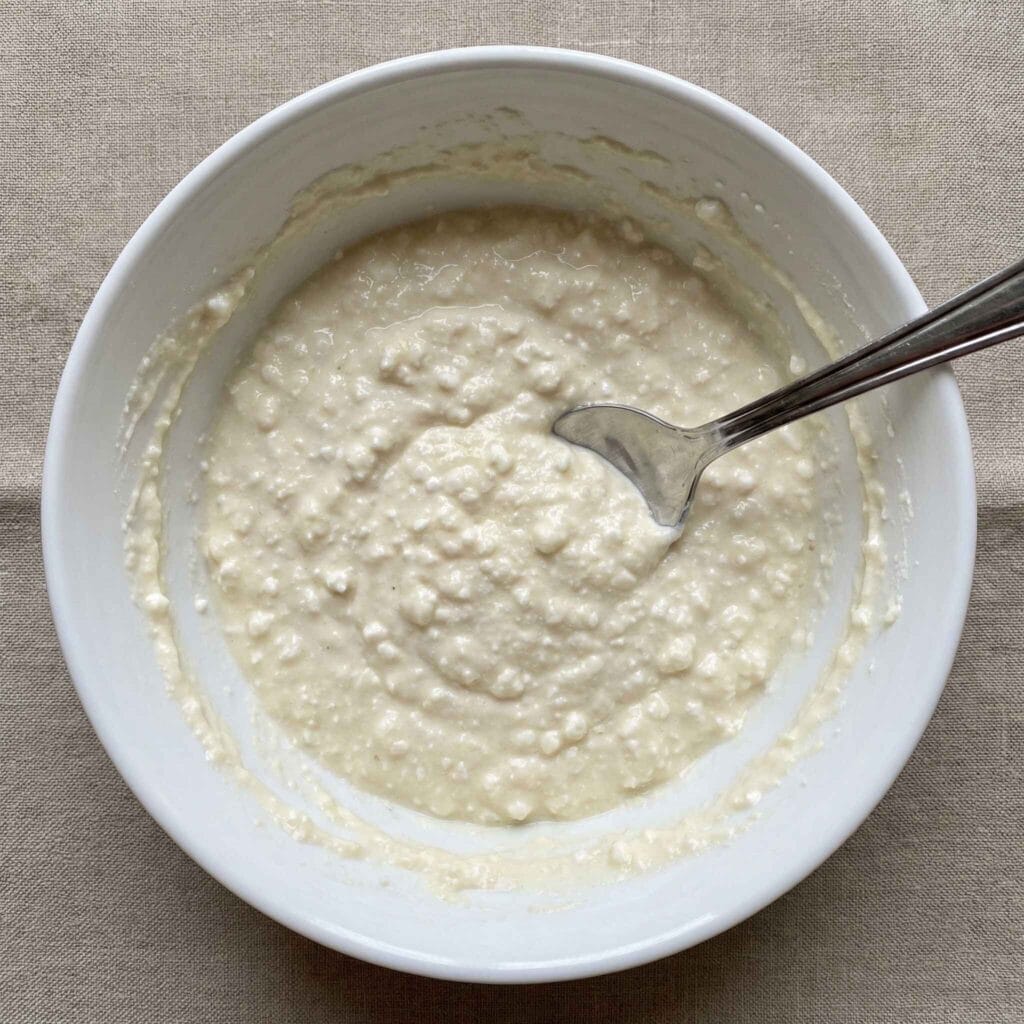
Blend cottage cheese and eggs until smooth.
Add oats, baking powder, salt, and vanilla. Blend briefly again.
The batter should be thick but pourable. Let it rest 2 minutes if needed.
Step 2 – Heat correctly
Preheat a non-stick skillet over medium-low.
Too much heat is the main reason protein pancakes turn rubbery. Lightly grease the pan.
Step 3 – Cook small rounds
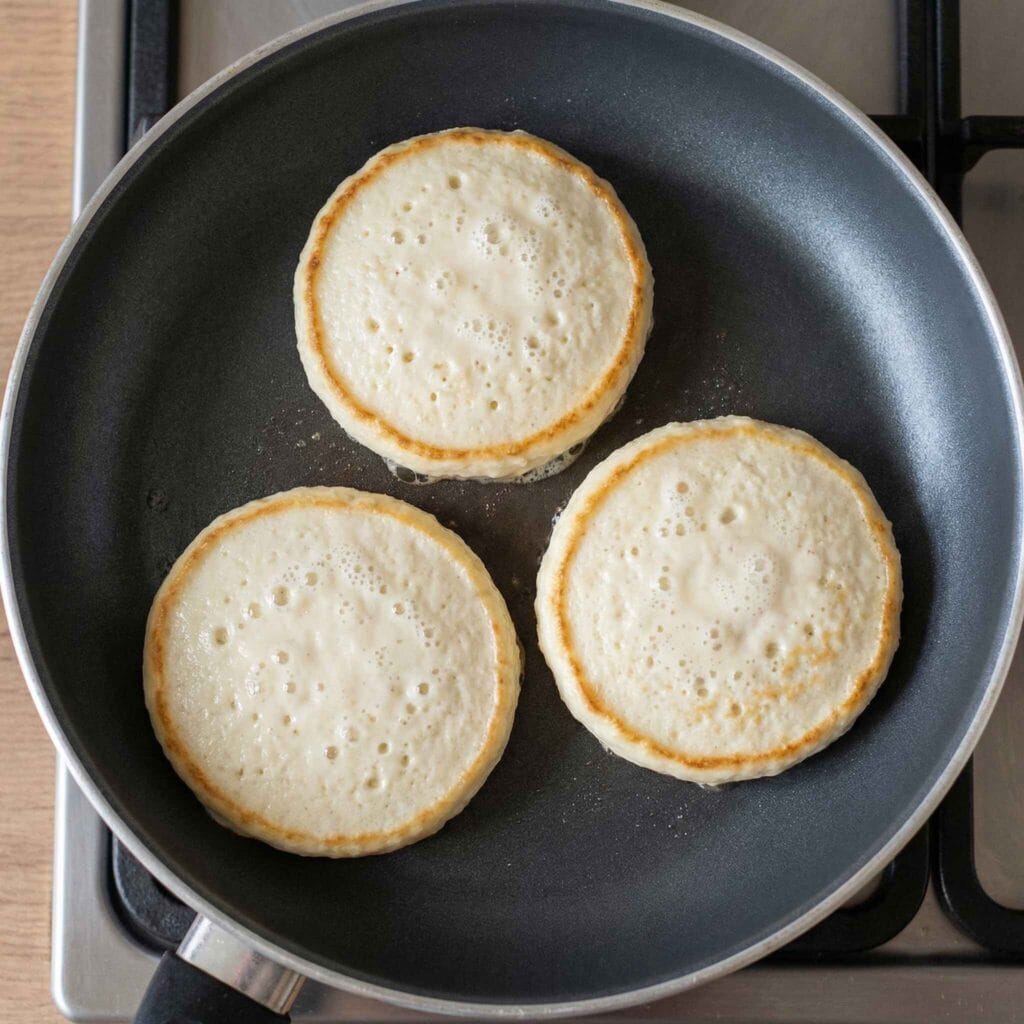
Pour small pancakes, about 3 inches wide.
Cook 2–3 minutes until bubbles form.
Flip gently and cook another 1–2 minutes.
The first pancake is your tester. Adjust heat if needed.
If you enjoy protein-forward comfort recipes using cottage cheese, you might also like this
Cottage Cheese Chocolate Mousse — it follows the same balanced approach in dessert form.
Protein Breakdown
Each serving (about 3–4 pancakes) provides roughly 22 grams of protein and stays close to 350 calories.
Most of the protein comes naturally from cottage cheese and eggs, without relying on powders. Cottage cheese is often recognized as a practical high-protein dairy option, as explained by
Healthline.
It’s enough protein to keep you satisfied through a busy morning without feeling heavy.
Keeping These Pancakes Under 400 Calories
The base recipe already stays within range.
Calories usually increase because of toppings, not the batter itself.
To keep things controlled:
- Use low-fat cottage cheese
- Avoid excess oil
- Choose fresh berries
- Measure syrup instead of pouring freely
A small drizzle adds flavor without turning breakfast into dessert.
What If Your Pancakes Turn Out Rubbery?
This usually comes down to heat.
Protein cooks differently than flour. If the pan is too hot, the outside sets fast while the inside tightens and turns dense.
Fix it:
- Lower the heat
- Cook smaller pancakes
- Don’t press them with the spatula
Another common issue is over-blending. Blend just until smooth — not airy.
Small adjustments make a big difference here.
Texture & Consistency
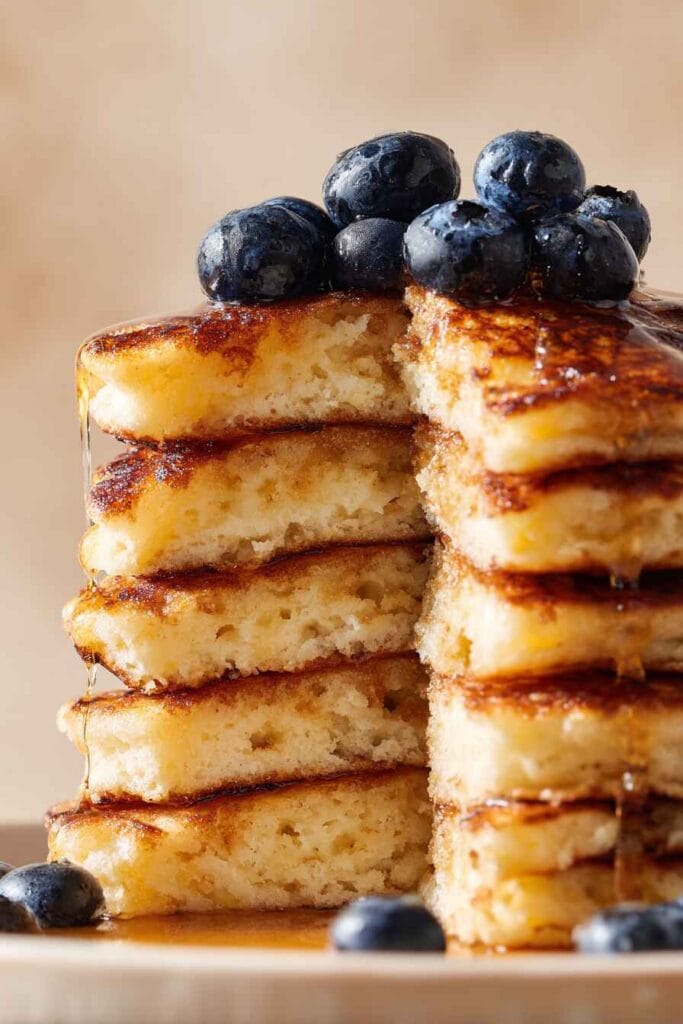
These pancakes are softer than traditional flour-heavy versions.
The inside should feel lightly creamy, not dry. The outside should be golden but flexible, not crisp like diner pancakes.
If the pancakes turn out heavier than expected, the batter may have needed a small splash of milk to loosen it slightly before cooking.
If they spread too much, let the batter rest longer before cooking.
Make It Meal Prep Friendly
Yes, they work well for meal prep.
Let them cool completely before storing. Stack with parchment paper between layers.
They hold their texture well for 3–4 days in the refrigerator.
Warm them slowly over low heat or microwave just until heated through, avoiding high heat to prevent drying.
They also freeze well. Reheat from frozen on low heat to avoid drying them out.
For another comfort-style recipe that works well for controlled portions, this
Lava Cake Recipe is a good example of enjoying something richer without losing balance.
Variations
Low Carb Version
Replace oats with almond flour. The texture becomes slightly denser but still soft.
Without Eggs
For an egg-free option, combine chia seeds with water and let the mixture thicken before adding it to the batter. Let it gel before blending.
Blueberry Version
Fold fresh blueberries into the batter after blending. Do not blend them in.
Higher Protein Option
Add 1–2 tablespoons of plain Greek yogurt to the batter for a slight protein boost and creamier texture.
Storage
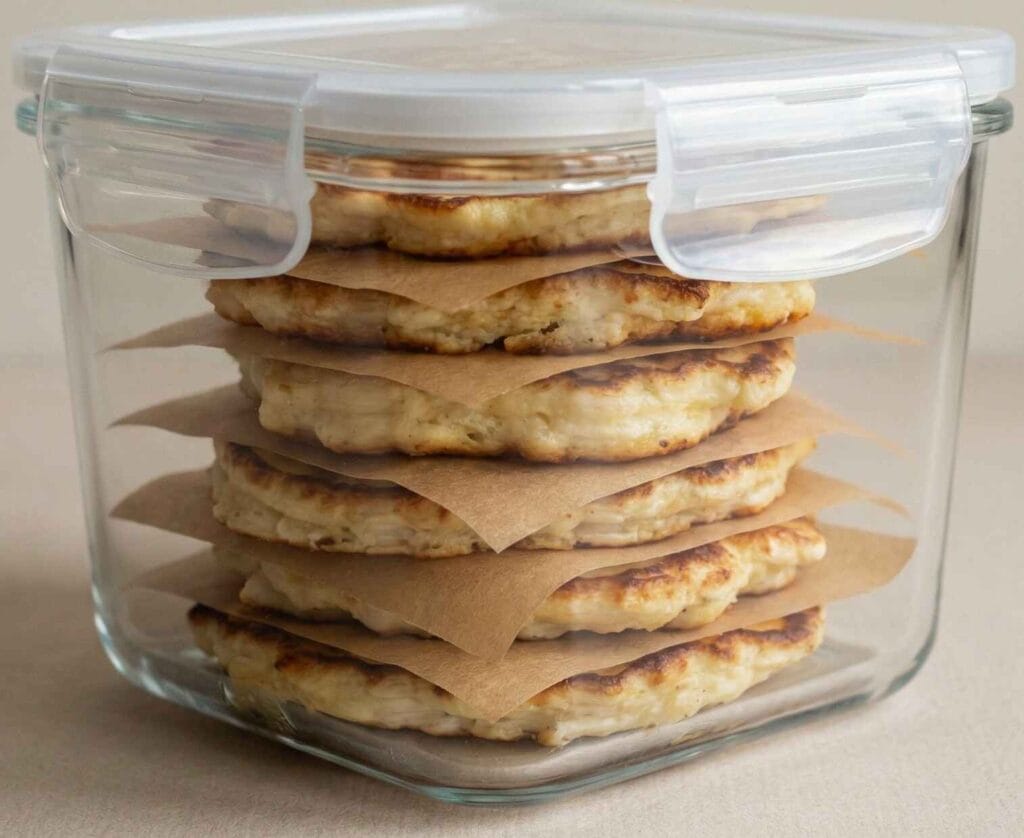
Store in an airtight container in the refrigerator for up to 4 days.
Freeze for up to 2 months.
Reheat slowly. High heat dries them out.
Is This Good for Weight Loss?
Yes — when portions are controlled.
At around 22g protein and roughly 350 calories per serving, they fit comfortably into a balanced calorie deficit.
The key is managing toppings, not eliminating the pancakes.
Final Thoughts
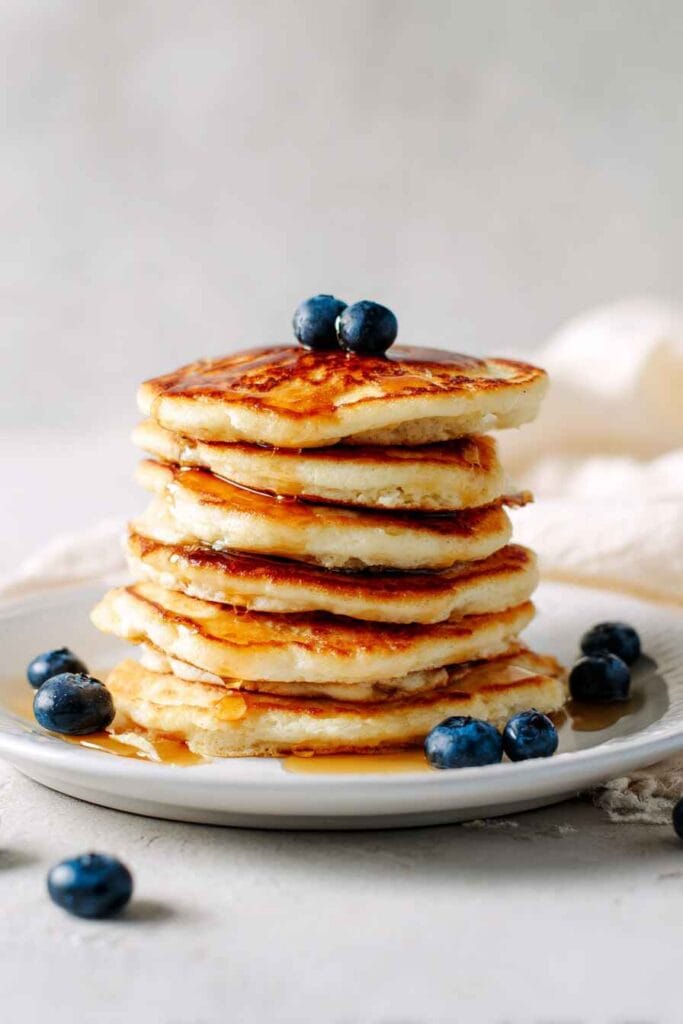
High protein cottage cheese pancakes don’t have to feel like a compromise.
With the right heat, the right texture, and balanced toppings, they deliver real comfort while keeping protein around 22 grams per serving and calories in a controlled range.
Simple ingredients. Smart structure.
That’s what makes them repeat-worthy.
High protein cottage cheese pancakes

Ingredients
- 1 cup cottage cheese | full-fat or low-fat
- 2 large eggs | room temperature
- 1/2 cup rolled oats | blended or whole
- 1 teaspoon baking powder
- 1/2 teaspoon vanilla extract
- Pinch salt
- 1 –2 tablespoons milk | if batter is too thick optional
- Fresh blueberries | for serving optional
- Maple syrup | light drizzle for serving
Instructions
- Blend cottage cheese, eggs, oats, baking powder, vanilla, and salt until mostly smooth | batter should be thick but scoopable
- Heat a nonstick pan over medium heat | lightly grease if needed
- Spoon batter into small pancakes | keep them evenly sized
- Cook 2–3 minutes | until bubbles form on the surface
- Flip gently | cook another 1–2 minutes until golden and set
- Serve warm | add blueberries and a light drizzle of maple syrup if desired
Notes
Cooking on high heat can cause uneven browning and a dense center. Fix:
Use medium heat and flip once bubbles form naturally on the surface. Storage:
Store in an airtight container up to 3 days. Separate layers with parchment paper. Variation:
For extra protein, add 1–2 tablespoons unflavored protein powder and adjust with a small splash of milk if needed.
Nutrition (Per Serving – Approximate)
| Nutrient | Amount |
|---|---|
| Calories | 370 kcal |
| Protein | 22 g |
| Carbohydrates | 32 g |
| Fat | 15 g |
| Fiber | 3 g |
| Sugar | 6 g |
| Sodium | 320 mg |
FAQs
Does cottage cheese melt in pancakes?
No. It blends into the batter and creates moisture rather than melting like shredded cheese.
Can I use cottage cheese instead of yogurt in pancakes?
Yes. It provides more protein and a slightly thicker texture.
What are some common protein pancake mistakes?
Cooking on high heat, over-blending the batter, and making pancakes too large.