There’s something about the smell of roasting green chilies that takes me back to my grandmother’s kitchen. The sizzling sound, the warmth from the pan, and that unforgettable kick of spice in the air. She never used store-bought sauces. Instead, she’d whip up her own green hot sauce, right from scratch — bold, zesty, and full of flavor. It was more than just a condiment. It was the soul of every dish she made.
That memory is the heartbeat of this recipe — and if you’ve never made your own green hot sauce, now’s the perfect time to fall in love with it.
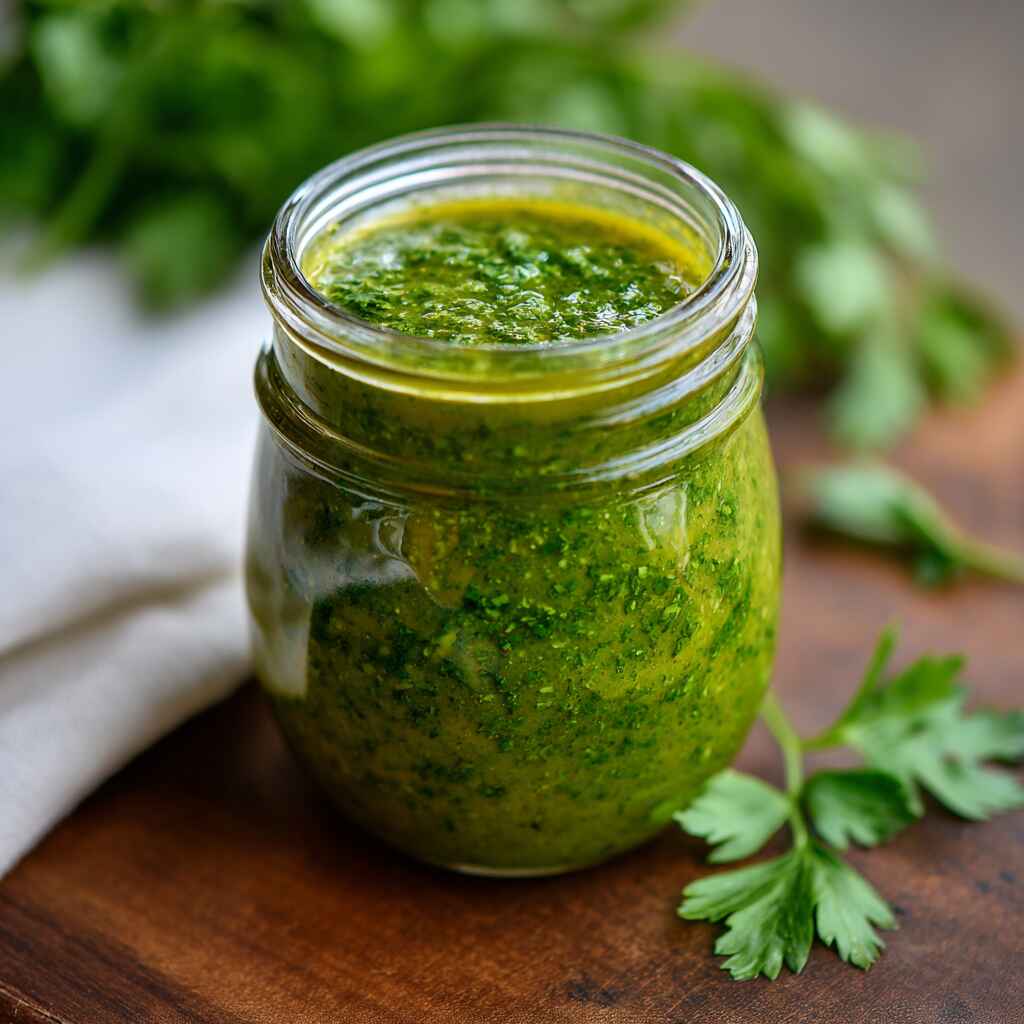
Table of Contents
What Is Green Hot Sauce and Why It’s So Loved?
At its core, green hot sauce is a flavor bomb. It’s made from green chili peppers (like jalapeños or serranos), tomatillos, garlic, onions, and fresh herbs. It’s the sauce that adds life to tacos, eggs, grilled meats, and even sandwiches.
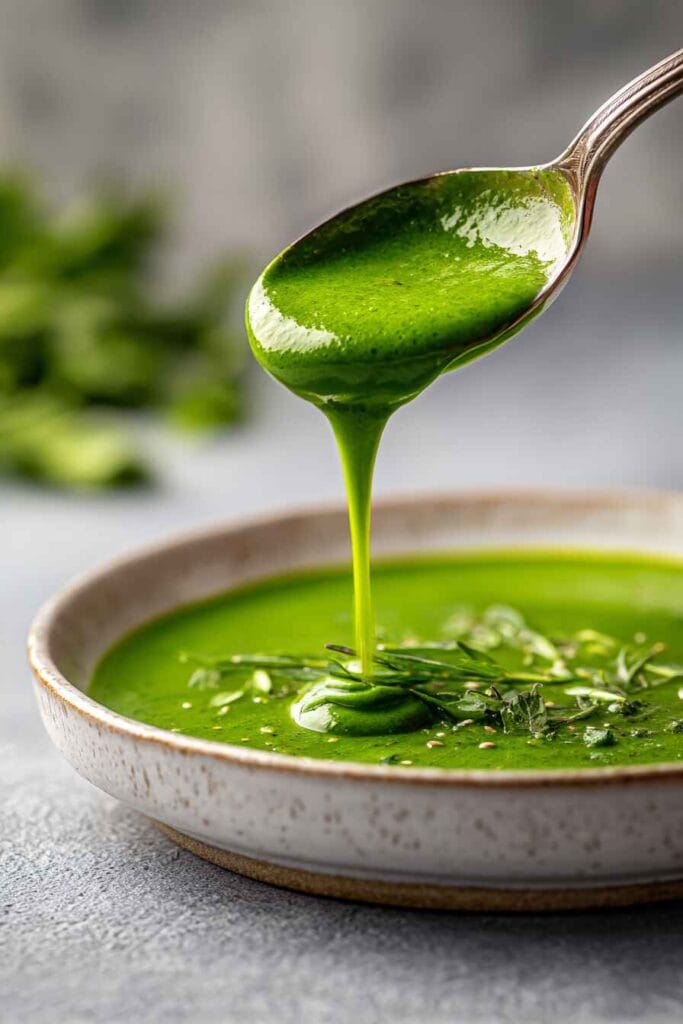
But it’s more than just heat. The green hot sauce delivers brightness, tang, and a creamy finish (if you blend it right). Unlike its red cousin, this sauce carries fresh garden flavor with a fiery personality.
The Roots and Rise of the Hot Sauce Recipe
Green hot sauce isn’t just a modern trend. It traces its roots back to Mexican cuisine, where salsas are more than sidekicks — they’re essential. From the tangy green chili salsa used in street tacos to thick and spicy salsa verde tacos, the tradition of blending roasted chilies and tomatillos has stood the test of time.
Over the years, people have tweaked the classic hot sauce recipe — some add avocado for a creamy Mexican sauce, others go all-in on the heat. But the base remains the same: green ingredients, fire, and flavor.
Essential Ingredients for Homemade Green Hot Sauce
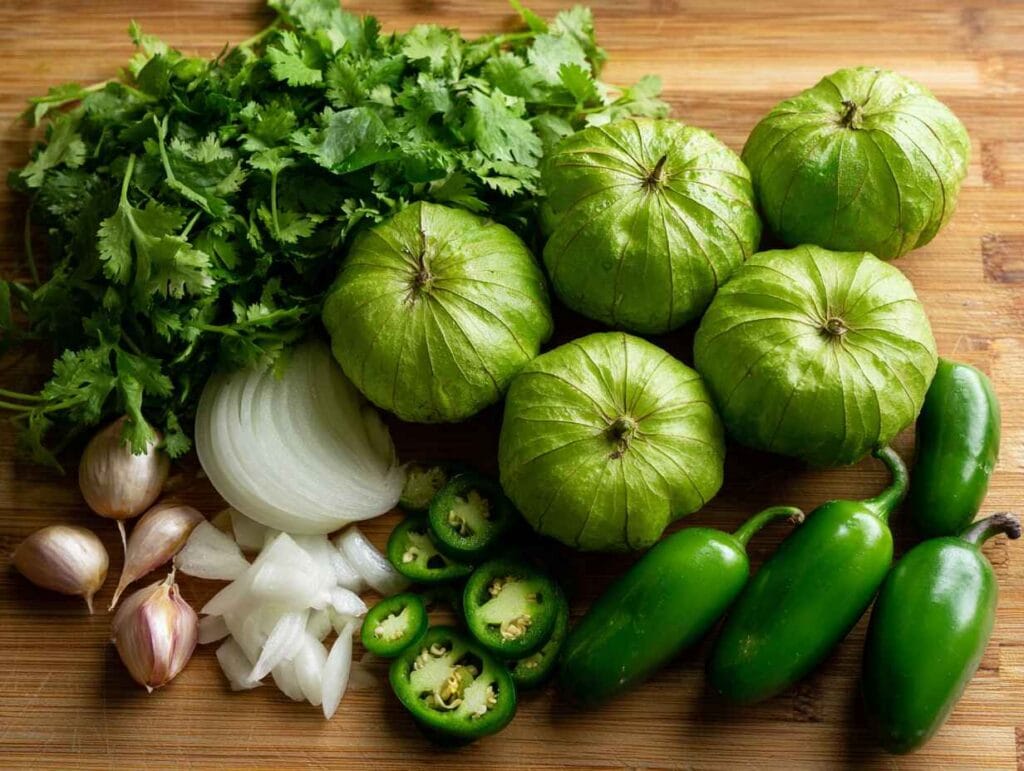
This recipe uses simple, fresh ingredients, and you’ll likely already have most of them in your kitchen. Here’s what you’ll need:
| Ingredient Type | Example |
|---|---|
| Green Chilies | Jalapeños, Serranos |
| Vegetables | Tomatillos, Onion, Garlic |
| Herbs | Cilantro, Oregano |
| Acidity | Lime Juice, Vinegar |
| Optional Creamy Element | Avocado or Olive Oil |
| Seasonings | Salt, Cumin |
Full quantities, instructions, and variations are in the recipe card at the bottom of this article.
Why Make Green Hot Sauce at Home?
Let’s be honest — store-bought hot sauces can taste… meh. Either too acidic or too salty. But homemade green hot sauce? That’s a game changer.
-You control the heat
-It’s preservative-free
-It’s super versatile
– It lasts up to 2 weeks in the fridge!
Want to go the extra mile? Try drizzling it over this copycat Chipotle chicken — trust me, the combo is absolutely addictive.
Some people even use green hot sauce as a marinade, a dip, or even a bold salad dressing. Its acidity and freshness give it that sharp zing that cuts through richness — ideal for grilled meats or hearty tacos.
You can also mix it into mashed avocado for an easy twist on guacamole — spicy, tangy, and super fresh.
Or serve it as a bold dip with Cajun garlic bread — crispy on the outside, buttery on the inside, and just perfect for scooping.
Fixing Common Green Hot Sauce Problems (Like Bitterness)
A very common mistake when making green hot sauce is letting the tomatillos burn too much. When overly charred, they turn bitter. Make sure they’re blistered, not blackened. A little color is good — but don’t go overboard. Want a smoother flavor? Add a splash of olive oil or a spoonful of avocado while blending to create a creamy Mexican sauce twist.
Step-by-Step Guide to Making the Best Green Hot Sauce
Let’s get into the heart of it — how to actually make this green hot sauce at home. Don’t worry, it’s not fancy or complicated. You won’t need a culinary degree or expensive equipment. Just a pan, a blender, and a few bold ingredients.
Step 1: Prep Like a Pro
Start with your tomatillos. Remove their sticky husks and give them a rinse — they often have a film on the outside. Then halve them, along with your jalapeños or serrano peppers. If you’re worried about heat, remove the seeds. If you love fire, leave them in.
Chop your onion roughly, peel the garlic, and gather some fresh cilantro. This sauce is all about building layers of fresh, roasted flavor — so don’t skip the aromatics!
Now heat a skillet (preferably cast iron) over medium-high. Add a drizzle of oil and roast the tomatillos, chilies, onions, and garlic. Let them blister and soften — about 6–8 minutes. The more color, the deeper the flavor.
Step 2: Time to Blend That Heat
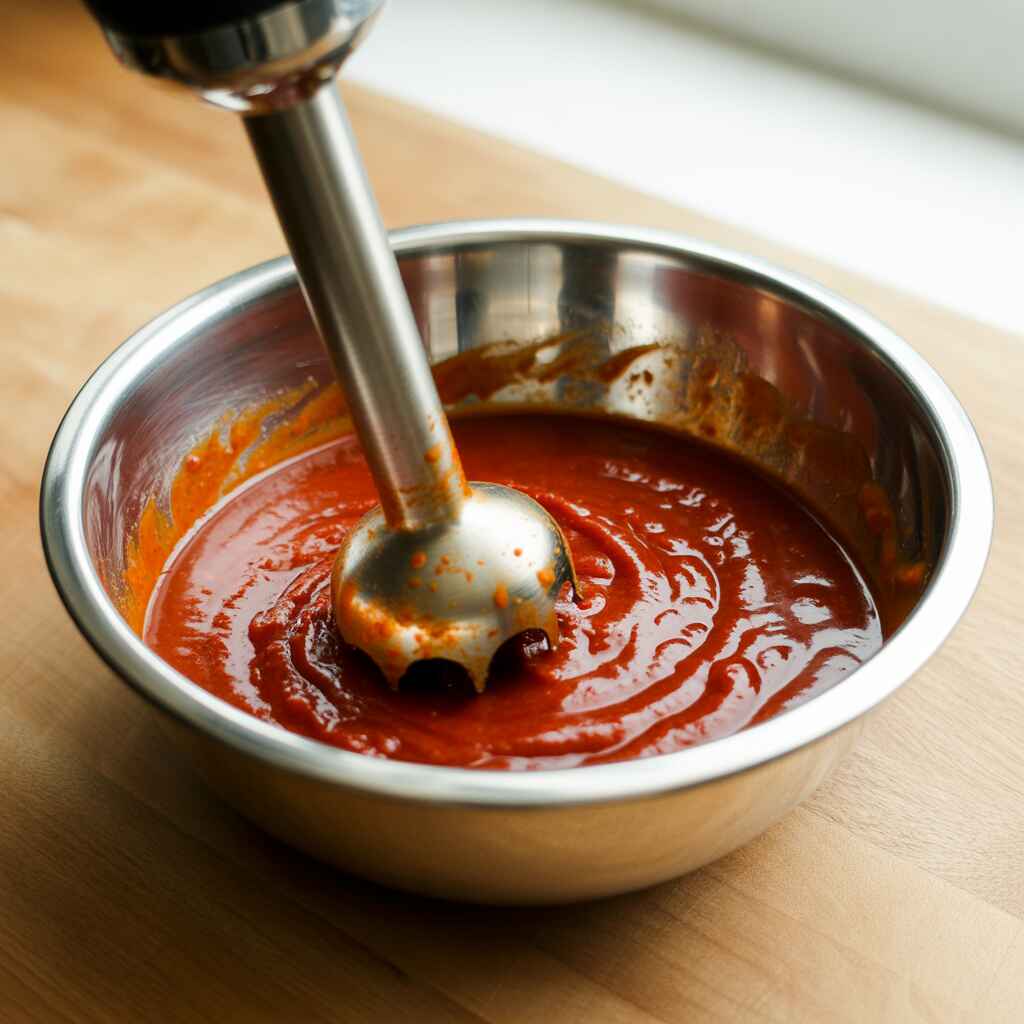
Once everything is roasted and aromatic, transfer the ingredients to a blender. Add fresh cilantro, lime juice, salt, and a splash of water. Want it creamy? Add a drizzle of olive oil or a spoonful of ripe avocado — this gives you that luxurious creamy Mexican sauce feel without dairy.
Blend until smooth. You can make it as chunky or silky as you like. If it’s too thick, thin it out with more lime juice or water. Too sharp? Add a pinch of sugar or a tiny bit of honey to balance the acidity.
Taste it. Adjust. Make it yours.
Step 3: Bottle It Up and Store It Right
Pour your finished green hot sauce into a clean glass jar or bottle. Let it cool, then refrigerate. It keeps well for up to 2 weeks, but let’s be honest — it rarely lasts that long.
Green Hot Sauce Nutrition Facts
Here’s a general idea of what you’re getting per serving (about 1 tablespoon):
| Nutrient | Amount |
|---|---|
| Calories | ~12 kcal |
| Sugar | <1g |
| Sodium | ~45 mg |
| Fat | 1g |
| Saturated Fat | 0.1g |
| Unsaturated Fat | 0.9g |
| Trans Fat | 0g |
| Carbohydrates | ~1g |
| Fiber | ~0.3g |
| Protein | ~0.2g |
| Cholesterol | 0 mg |
These are estimates and can vary depending on your exact ingredients and adjustments.
Common Problems When Making Green Hot Sauce (And Easy Fixes)
Problem: The Sauce Is Too Watery
This happens when tomatillos release excess moisture and you overblend. Fix it by simmering the blended sauce for 5–10 minutes to reduce it slightly. You can also toss in a little more avocado or blend in roasted bell pepper to thicken.
Problem: The Flavor Is Flat
This usually means it’s missing acidity or salt. Add a dash more lime juice or apple cider vinegar and a pinch of salt. If it still tastes bland, a small piece of roasted chili (like poblano or Anaheim) can wake it right up.
Problem: Too Spicy to Handle?
No worries. Stir in a bit of sour cream or yogurt to mellow it out. Or, for a vegan fix, use blended white beans or tahini for creaminess. You can also use it with a creamy dish to balance the fire — like a spoonful next to this Cajun Alfredo Sauce, which adds buttery richness that tames the spice.
Creative Ways to Use Green Hot Sauce
- Drizzle it over scrambled eggs, grilled chicken, or roasted veggies.
- Use it as a marinade for meats or tofu.
- Add to tacos, quesadillas, or salsa verde tacos.
- Stir it into sour cream or mayo to make a quick dip.
- Blend it into rice or quinoa for a kick of flavor.
Storage Tips for Green Hot Sauce
- Fridge: Store in an airtight glass container. Lasts up to 2 weeks.
- Freezer: Freeze in ice cube trays. Once frozen, pop into a zip-top bag and use cubes as needed.
- Tip: Add a thin layer of olive oil on top to preserve color and prevent oxidation.
Final Thoughts on Mastering Green Hot Sauce
Making your own green hot sauce is not just about flavor — it’s about control, creativity, and that unbeatable feeling of saying, “Yeah, I made this.”
It’s bold, fresh, and adaptable. Whether you’re spicing up lunch or impressing friends at dinner, it’s the kind of recipe that upgrades every dish it touches.
So go ahead — roast, blend, taste, and pour. Your meals are about to get a whole lot livelier.
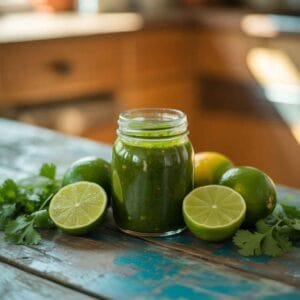
Green Hot Sauce

Ingredients
- 6 pcs Tomatillos
- 2 pcs Jalapeño or serrano peppers seeds removed for less heat
- 1 pcs Onion cut in half
- 2 cloves Garlic
- 1/2 cup Cilantro fresh, loosely packed
- 2 tbsp Lime juice freshly squeezed
- 1 tbsp Olive oil or avocado optional, for creaminess
- 1 tsp Salt adjust to taste
- 1/4 cup Water adjust for consistency
Instructions
- Roast tomatillos, chilies, onion, and garlic in a skillet over medium-high heat until blistered and slightly softened (about 6–8 minutes).
- Transfer roasted vegetables to a blender. Add cilantro, lime juice, salt, and a splash of water.
- Blend until smooth. For creaminess, add olive oil or avocado and blend again.
- Taste and adjust seasoning as needed — add more lime for tang, or salt to balance.
- Pour into a clean jar, let it cool, then refrigerate. Use within 2 weeks.
Notes
Remove pepper seeds for less heat, add avocado or olive oil for creaminess, and store in a sealed jar for up to 2 weeks.
nutrition information (Per Serving)
| Nutrient | Amount |
|---|---|
| Calories | 12 kcal |
| Fat | 1 g |
| Carbohydrates | 1 g |
| Fiber | 0.3 g |
| Protein | 0.2 g |
| Sodium | 45 mg |
FAQ
What is Mexican crema?
It’s a slightly tangy, creamy sauce similar to sour cream but thinner and richer. It’s often used to top tacos, enchiladas, and soups.
What can I do with tomatillos?
Roast them for salsa, blend into sauces like this one, or chop them raw into salads. Their tart flavor adds freshness to many dishes.