
Gingerbread cookies without molasses that stay soft and flavorful.
An easy fix when you’re missing one key ingredient.
Why Make Gingerbread Cookies Without Molasses
Molasses is commonly associated with gingerbread, but it isn’t essential for achieving a satisfying result. Many home bakers prefer a milder sweetness or don’t keep molasses readily available.
Choosing to make gingerbread cookies without molasses allows other flavors to come forward. Ginger, cinnamon, and cloves become more noticeable, while brown sugar or honey provide warmth without heaviness. The result is a cookie that feels lighter, softer, and easier to enjoy at any time of year.
This approach also fits well with everyday baking habits. Recipes built around familiar ingredients—like these banana-bread-cookies to be more forgiving and easier to repeat without stress.

Table of Contents
The Ingredients You’ll Need
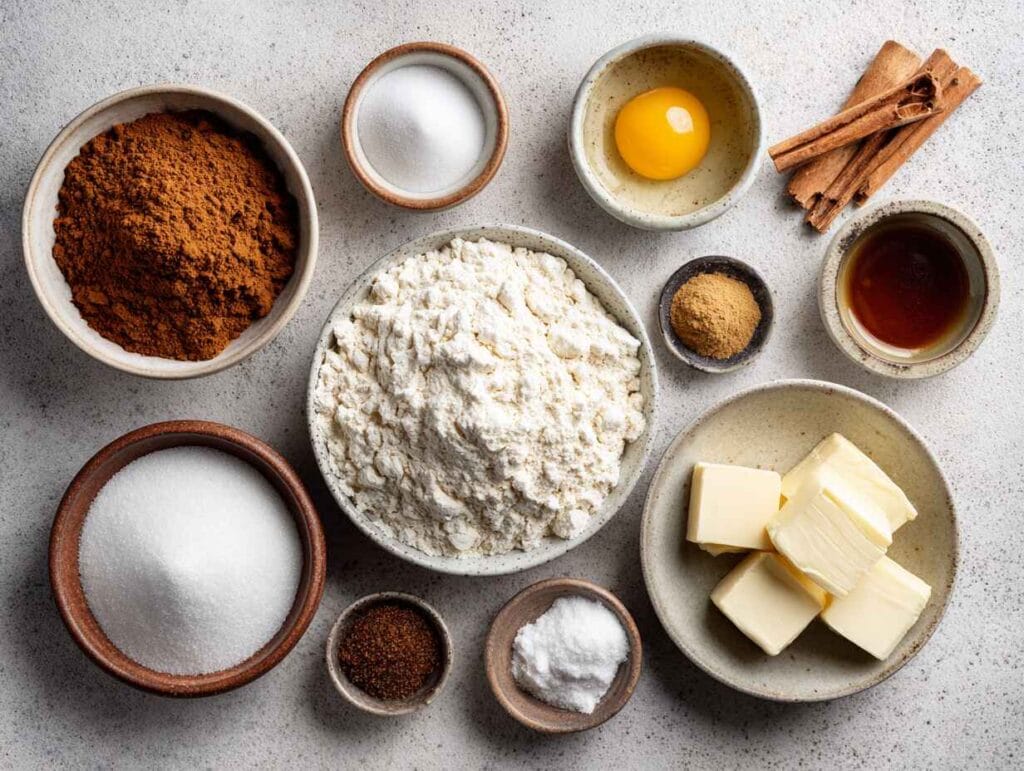
All ingredients are listed without quantities. Measurements can be adjusted later based on preference.
Dry Ingredients and Spices
- All-purpose flour
- Ground ginger
- Ground cinnamon
- Ground cloves
- Baking soda
- Salt
These spices form the backbone of the gingerbread flavor. Blending them evenly helps ensure consistent taste from the first cookie to the last.
Sweeteners That Replace Molasses
- Brown sugar
- Honey or maple syrup
Brown sugar contributes moisture and depth, while honey or maple syrup brings a smooth sweetness that blends naturally with spices.
Fats, Eggs, and Flavor Additions
- Butter or dairy-free butter alternative
- Eggs
- Vanilla extract
These ingredients help structure the dough and influence how the cookies feel once baked.
Easy Gingerbread Cookie Recipe Without Molasses
This recipe follows a steady, uncomplicated process. The dough comes together without difficulty, rests briefly, and bakes evenly. Each stage supports texture and flavor without requiring advanced techniques.
Mixing and Chilling the Dough
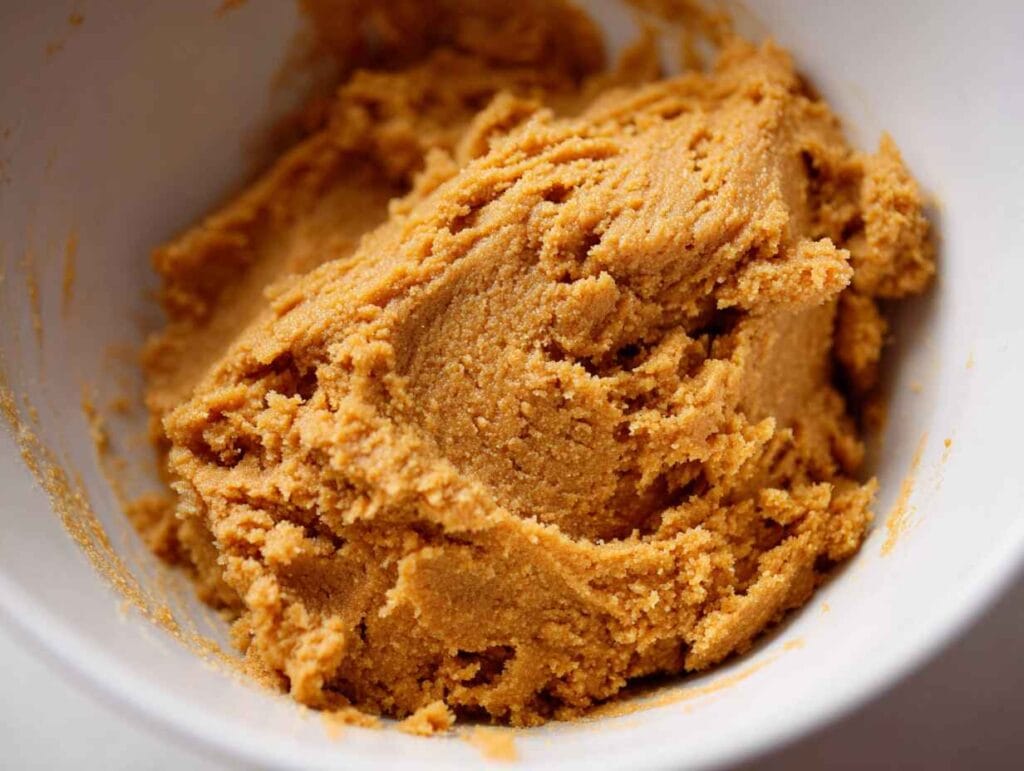
Begin by working the butter and brown sugar together until the mixture looks cohesive and smooth. This step sets the foundation for the dough’s structure. Incorporate the eggs and vanilla carefully, stopping as soon as the mixture looks uniform.
In a separate bowl, combine the dry ingredients thoroughly. Folding them into the wet mixture gradually helps prevent uneven seasoning and keeps the dough manageable.
The dough will be pliable and soft. Allowing it to rest in the refrigerator gives it time to firm up, which improves handling and prevents excessive spreading later. In everyday baking, this short pause often makes the difference between defined cookies and flat ones.
Rolling, Cutting, and Baking
After resting, roll the dough gently on a lightly floured surface. Keeping the thickness consistent helps all cookies bake at the same pace.
Bake until the cookies look set around the edges while remaining tender in the center. Removing them at this stage preserves moisture and avoids the dry texture that comes from extended baking.
Gingerbread Cookies Without Molasses Using Honey

Honey works especially well in gingerbread cookies without molasses because it contributes both sweetness and moisture. Unlike molasses, it doesn’t dominate the flavor, allowing spices to remain prominent.
Dough made with honey tends to be slightly more relaxed, which makes resting time even more useful. Once baked, the cookies appear lighter and have a softer bite, making them appealing to those who prefer a gentler gingerbread profile.
For serving, these cookies pair nicely with creamy desserts. A cottage cheese chocolate mousse cottage cheese chocolate mousse offers contrast without overpowering the spices.
Gingerbread Cookies Without Molasses (Dairy-Free Option)
This recipe adapts well to dairy-free baking. Using a plant-based butter alternative designed for baking keeps the dough workable and the final texture pleasant.
Dairy-free dough benefits from careful handling. Working on a cool surface and avoiding excess flour helps maintain softness. Once baked, the cookies remain aromatic and tender, with spice taking the lead rather than fat.
This option expands the recipe’s flexibility while preserving its core identity.
Common Mistakes to Avoid
Overworking the dough is a common issue. Too much handling can tighten the structure and affect texture.
Skipping the resting step is another frequent mistake. Dough that hasn’t had time to firm up tends to spread unevenly.
Finally, baking too long can quickly dry out gingerbread. Watching for visual cues rather than relying solely on time helps prevent this.
Gingerbread Cookies Nutritional Information
The nutritional profile of gingerbread cookies without molasses depends largely on ingredient choices. Brown sugar and honey both contribute sweetness, which makes portion awareness important.
Public health guidance often emphasizes moderation with added sugars. Information from the CDC explains why maintaining a balanced intake matters, even when desserts are homemade.
Preparing cookies at home allows more control over ingredients compared to packaged options.
How to Store and Freeze Gingerbread Cookies
Once cooled, cookies should be kept in a sealed container away from heat and moisture. Proper storage helps preserve texture and flavor.
For longer-term storage, freezing is effective. Place cookies in a single layer initially, then store them together in an airtight container. Thawing at room temperature restores their original softness.
Keeping a small variety of frozen desserts—such as chocolate toffee bars makes it easy to prepare desserts without extra baking.

Final Thoughts
Making gingerbread cookies without molasses shows that tradition can adapt without losing its essence. By focusing on spices, texture, and balance, this version offers a reliable alternative that fits modern kitchens.
The strength of this recipe lies in its flexibility. Whether you choose honey, go dairy-free, or keep things simple, the method adjusts easily while maintaining comfort and familiarity.
With clear steps and accessible ingredients, these cookies are easy to return to whenever you want something warm, spiced, and satisfying—no molasses required.

Gingerbread Cookies Without Molasses

Ingredients
- 2 cups all-purpose flour spooned and leveled
- ¾ cup brown sugar packed
- ½ cup unsalted butter softened
- 1 large egg room temperature
- 1 teaspoon vanilla extract pure vanilla preferred
- 1½ teaspoons ground ginger
- 1 teaspoon ground cinnamon
- ¼ teaspoon ground cloves | optional but recommended
- ½ teaspoon baking soda
- ¼ teaspoon salt
Instructions
- Preheat the oven to 350°F (175°C) and line a baking sheet.
- In a large bowl, cream the butter and brown sugar until smooth.
- Add the egg and vanilla extract and mix just until combined.
- In a separate bowl, whisk together the flour, ginger, cinnamon, cloves, baking soda, and salt.
- Gradually add the dry ingredients to the wet mixture.
- Mix until a soft, cohesive dough forms without overworking.
- Chill the dough briefly to make it easier to roll.
- Roll out the dough and cut into gingerbread man shapes.
- Transfer the cookies to the prepared baking sheet.
- Bake for 8–10 minutes, until the edges are set.
- Allow the cookies to cool on the pan briefly before transferring.
Notes
Nutritional Table (Per Serving)
| Nutrient | Amount |
|---|---|
| Serving Size | 1 cookie |
| Calories | ~150 |
| Sugar | ~9g |
| Sodium | ~120mg |
| Fat | ~7g |
| Saturated Fat | ~4g |
| Unsaturated Fat | ~2g |
| Trans Fat | 0g |
| Carbohydrates | ~21g |
| Fiber | ~1g |
| Protein | ~2g |
| Cholesterol | ~30mg |
Frequently Asked Questions About Gingerbread Cookies Without Molasses
Can you make gingerbread cookies without molasses?
Yes. Brown sugar, honey, or maple syrup can replace molasses while still delivering classic gingerbread flavor.
How many calories are in a gingerbread cookie?
Most cookies contain around 120–150 calories, depending on size and ingredients.
Can I freeze gingerbread cookies?
Yes. Properly stored, they freeze well for up to three months.