When you think of mashed potatoes, you probably imagine creamy, rich texture — and most people instantly reach for milk or cream. But what if you could skip the dairy entirely and still end up with mash that’s just as smooth, flavorful, and satisfying? Mashed potatoes without milk prove that technique matters more than ingredients on a label. By focusing on how potatoes release their own starch and combining them with smart, simple swaps, you get a side dish that feels intentional — not like a compromise.
The best part? These dairy-free mashed potatoes pair beautifully with bold flavor contrasts. For example, a vibrant topping like green hot sauce can elevate the humble mash into something that dances on the palate, turning a simple dinner into a meal worth savoring.
Table of Contents
The Ingredients You’ll Need
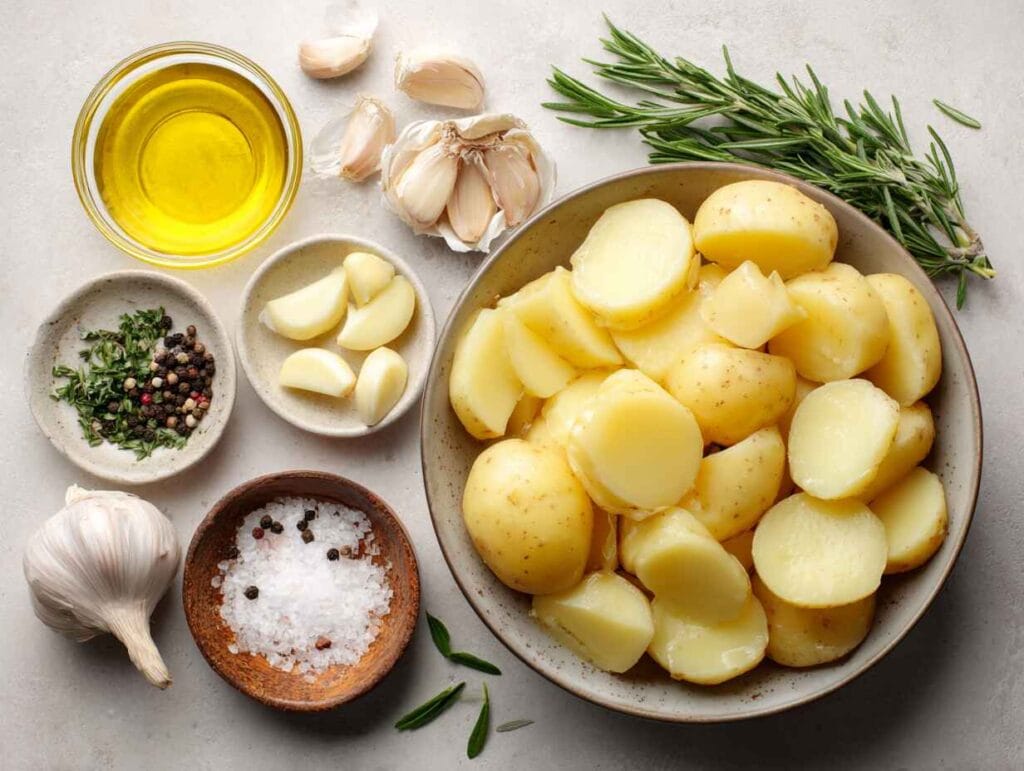
- Potatoes
- Olive oil or a butter alternative
- Garlic
- Salt
- Black pepper
- Reserved potato cooking water or broth
Each ingredient plays a clear role. The potatoes provide structure and starch. Fat adds richness. The reserved liquid controls consistency. Together, they allow you to prepare mashed potatoes without milk that feel complete and well-balanced.
How to Make Mashed Potatoes Without Milk
Understanding how to make mashed potatoes without milk is about following a careful process rather than relying on substitutions. Paying attention to timing and texture at each step makes all the difference.
Choosing the Best Potatoes for Mashing
Potato choice has a major impact on the final texture. Starchy varieties such as russet or Yukon gold potatoes break down easily when cooked. This makes them ideal for mashed potatoes without milk, where natural starch is essential for creaminess.
Waxy potatoes tend to hold their shape and resist mashing. Even with added liquid, they can leave the mash uneven or heavy. For smooth and consistent results, starchy potatoes are the most dependable option.
How Long to Boil Potatoes for Smooth Results
Cut the potatoes into evenly sized pieces and place them in cold, well-salted water. Bringing the water up to temperature gradually helps the potatoes cook evenly from the inside out.
Boil gently until a fork slides through with no resistance. Overcooking causes potatoes to absorb excess water, while undercooking leaves them grainy. Before draining, always reserve some of the cooking water. This starchy liquid is essential for adjusting the texture of mashed potatoes without milk later in the process.
Replacement for Milk in Mashed Potatoes
A good replacement for milk in mashed potatoes without milk should support the starch structure rather than dilute it. Reserved potato cooking water is the most effective option because it already contains starch and blends naturally into the mash.
Vegetable broth or chicken broth adds subtle depth and works well when the potatoes are served alongside savory dishes. Olive oil contributes richness and helps create a smooth mouthfeel without overpowering the potato flavor.
Research consistently shows that preparation matters as much as ingredients. According to Harvard’s Nutrition Source, the way potatoes are cooked and combined with fats influences how they fit into a balanced diet: nutritionsource
How to Mash Potatoes Without Making Them Gluey
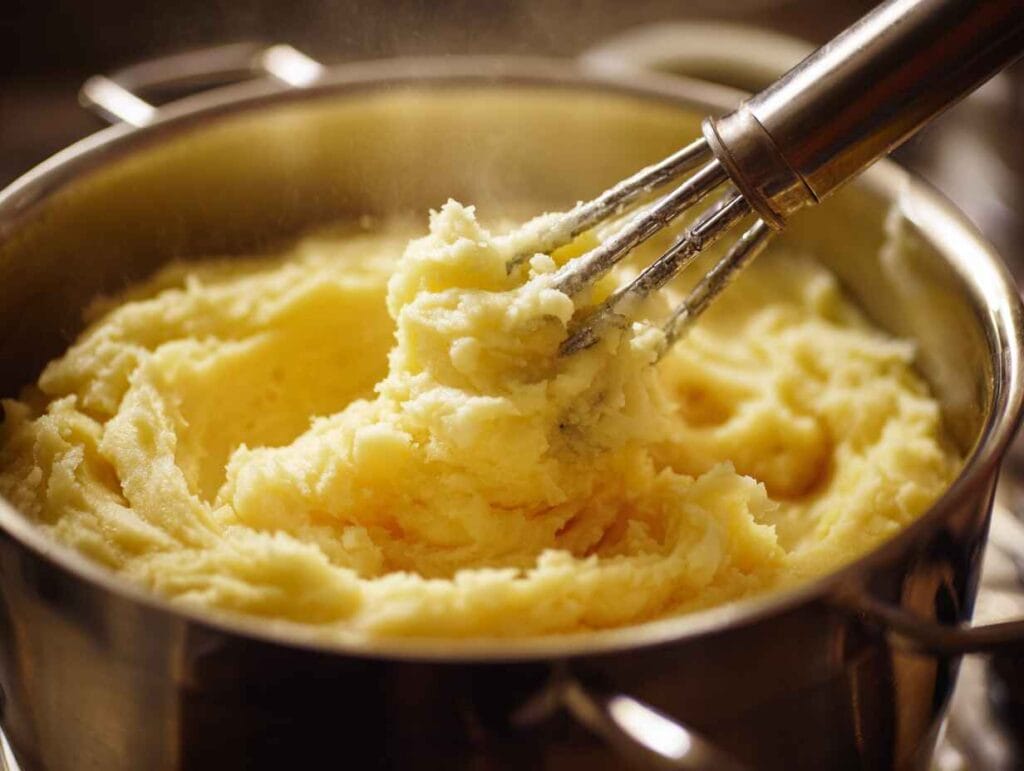
Texture problems usually come from overworking the potatoes. After draining, return them to the hot pot so excess moisture can evaporate. Add your fat first, then mash gently.
Avoid electric mixers or aggressive stirring, which damage starch cells and create a sticky consistency. Add the reserved cooking water gradually, stopping as soon as the potatoes come together smoothly. When handled correctly, mashed potatoes without milk should feel light, cohesive, and soft.
These potatoes fit naturally into a complete meal and work well as a comforting side before finishing with a rich dessert like this lava cake recipe: lava-cake
High Protein Mashed Potatoes — Simple Ways to Boost Protein
Mashed potatoes are usually associated with comfort rather than nutrition, but that doesn’t mean they can’t fit into balanced meals. When prepared thoughtfully, mashed potatoes without milk can support protein-focused dishes without losing their familiar texture.
Instead of trying to force protein into the potatoes themselves, a more natural approach is to treat them as a supporting side. Serving mashed potatoes alongside grilled chicken, roasted fish, or legumes keeps the plate balanced while allowing the potatoes to remain smooth and comforting.
If you prefer to boost protein slightly within the mash, fully blended white beans or lentils can be folded in gently. When incorporated carefully, they don’t overpower the flavor and allow mashed potatoes without milk to stay creamy and satisfying.
Low Calorie Mashed Potatoes Without Milk
One of the biggest advantages of mashed potatoes without milk is how easily they stay light. Removing dairy reduces overall calories and saturated fat, especially compared to versions made with cream or heavy butter.
Using reserved potato cooking water instead of oil helps maintain a smooth texture without unnecessary richness. Olive oil can still be added in small amounts when extra flavor is needed, but it isn’t required for good results.
Portion size plays an important role. A moderate serving of mashed potatoes without milk, paired with vegetables or lean protein, creates a plate that feels complete without being heavy.
Diabetic Friendly Mashed Potatoes — What Works Best
For people managing blood sugar, the goal isn’t to eliminate potatoes entirely but to prepare them intelligently. Mashed potatoes without milk can fit into a diabetic-friendly approach when portion size, texture, and meal composition are handled carefully.
Letting cooked potatoes cool slightly before mashing can help slow digestion. Pairing them with fiber-rich vegetables or protein further supports balance. Many people also find it helpful to reduce refined carbohydrates elsewhere on the plate, which is why understanding practical swaps—such as those explained in this guide on
good substitutes for bread for diabetics—can make meals feel more balanced without becoming restrictive.
This approach focuses on consistency and smart pairing rather than avoidance, making mashed potatoes without milk easier to enjoy regularly.
Mashed Potatoes Nutrition Explained
Potatoes naturally provide carbohydrates for energy, potassium for muscle function, and small amounts of fiber. When prepared as mashed potatoes without milk, they typically contain fewer calories and less saturated fat than dairy-heavy versions.
What shapes their nutritional impact most is preparation. Cooking method, added fats, and portion size all matter. Trusted health organizations emphasize this point, and resources like the American Diabetes Association show how small cooking adjustments can improve balance and blood sugar response, as outlined in their guide on
better mashed potatoes.
Understanding these factors helps you make informed choices without giving up comfort foods.
Texture Problems and How to Fix Them
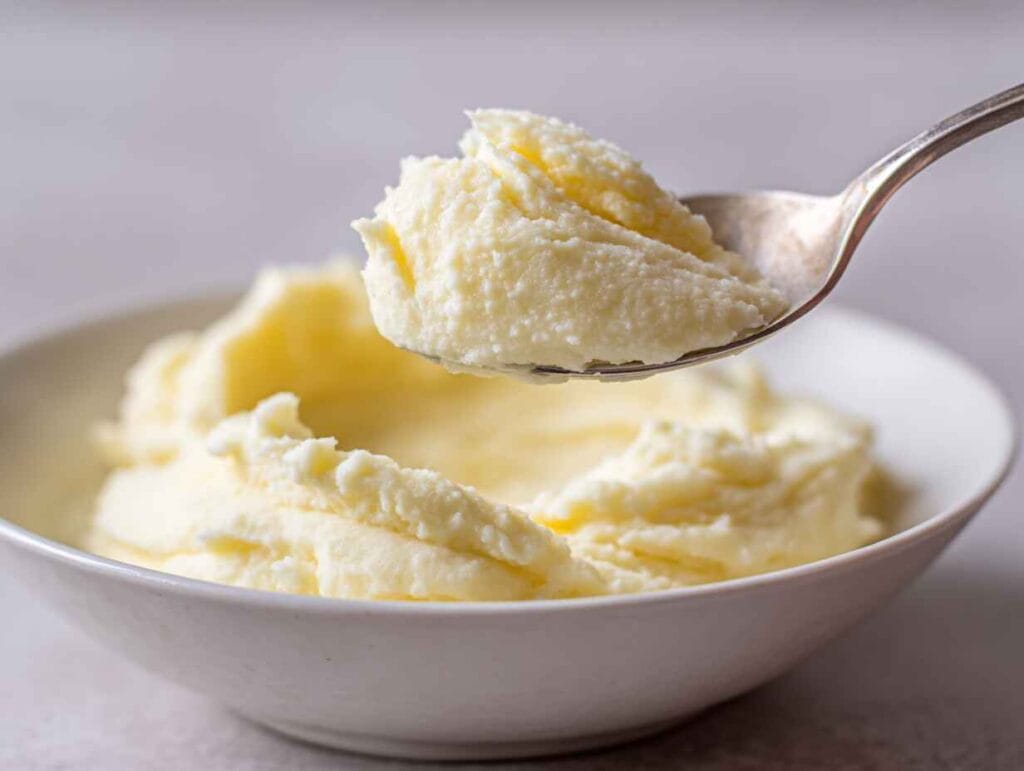
Texture issues usually come from technique rather than ingredients. Most problems with mashed potatoes without milk are easy to correct once you know what causes them.
Why Mashed Potatoes Turn Gummy
A gummy texture almost always results from overmixing. Electric mixers or aggressive stirring damage starch cells, making the potatoes sticky and dense. This can happen whether milk is used or not.
Gentle mashing and stopping as soon as the potatoes come together prevents this problem.
How to Fix Dry Mashed Potatoes
Dry mashed potatoes usually need moisture, not more fat. Adding warm potato cooking water a little at a time restores creaminess without weighing the dish down.
Handled correctly, mashed potatoes without milk should feel soft, smooth, and cohesive.
Flavor Variations Without Using Milk
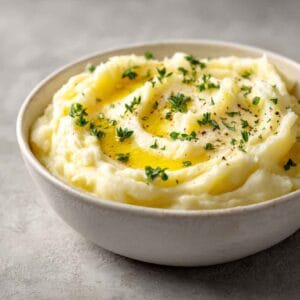
Flavor doesn’t depend on dairy. Garlic, fresh herbs, and olive oil add depth while keeping the potato flavor clear. Roasted garlic brings warmth, while herbs like parsley or chives add brightness.
A light drizzle of olive oil at the end enhances aroma and mouthfeel without overpowering the dish.
What to Serve With Mashed Potatoes Without Milk
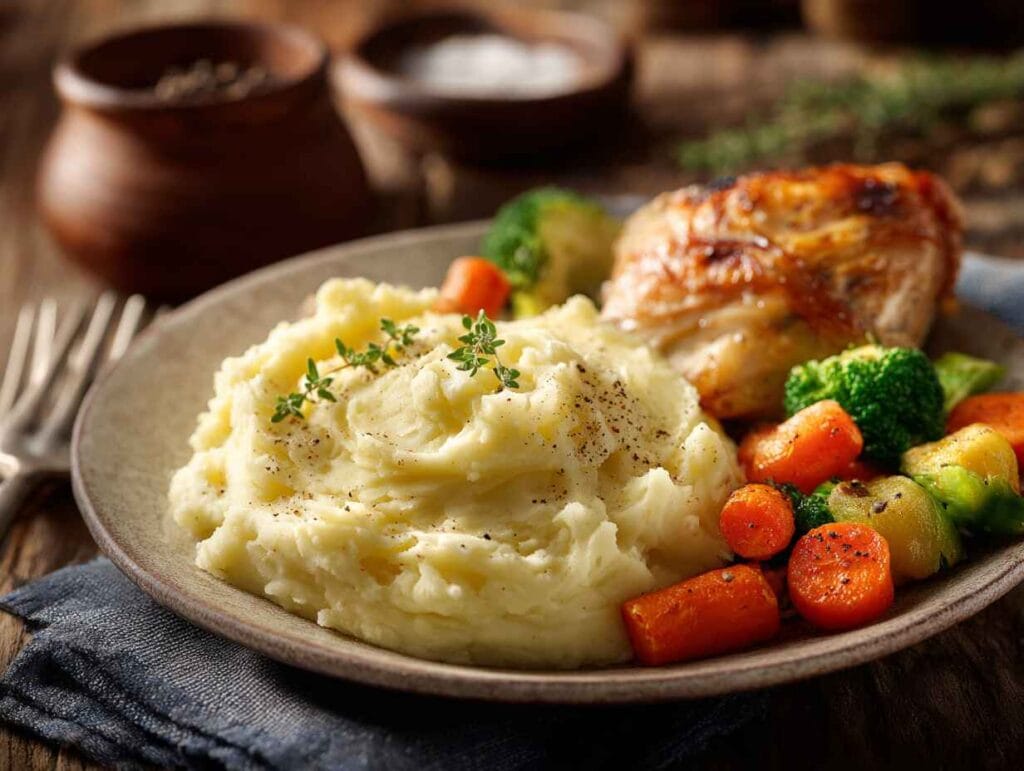
These mashed potatoes pair well with roasted vegetables, grilled meats, or simple sauces. Their neutral flavor allows them to support bold mains rather than compete with them.
Because mashed potatoes without milk are lighter, they fit naturally into a wide range of meals.
Make-Ahead, Storage, and Reheating Tips
Mashed potatoes can be prepared ahead and stored in the refrigerator for several days. When reheating, add a splash of warm water or broth and stir gently.
Slow reheating helps mashed potatoes without milk retain their creamy texture.
Common Mistakes to Avoid
Even simple recipes can go wrong if a few details are overlooked. One common mistake is overmixing, which leads to a sticky texture. Another is skipping salt in the cooking water, resulting in bland potatoes.
Using waxy potatoes instead of starchy ones can also make it difficult to achieve a smooth mash. Finally, adding too much liquid at once can quickly turn mashed potatoes thin and watery. Always add moisture gradually and stop as soon as the texture looks right.
Mashed Potatoes Without Milk

Ingredients
- 2 pounds potatoes | russet or Yukon gold
- 3 tablespoons olive oil or butter alternative | extra virgin
- 2 cloves garlic | minced optional
- 1 teaspoon salt | plus more for boiling water
- 1/2 teaspoon black pepper
- 1/2-1 cup reserved potato cooking water or broth
- 1 tablespoon fresh parsley or chives | finely chopped optional
Instructions
- Peel the potatoes and cut them into evenly sized chunks.
- -Place the potatoes in a pot of cold, well-salted water.
- -Bring to a gentle boil and cook until the potatoes are fork-tender.
- -Reserve some of the potato cooking water, then drain the potatoes.
- -Return the hot potatoes to the pot and let excess moisture evaporate for 1–2 minutes.
- -Add olive oil or a butter alternative to the potatoes.
- -Mash gently while gradually adding the reserved cooking water or broth.
- -Continue mashing until smooth and creamy, avoiding overmixing.
- -Season with salt and black pepper to taste.
- -Finish with fresh herbs if desired and serve warm.
Notes
– Potato cooking water works better than plain water because it contains natural starch.
– Avoid using an electric mixer, as overmixing can make the potatoes gluey.
– Taste and adjust seasoning at the end, especially if using broth.
– Leftovers keep well for up to 2 days refrigerated; reheat gently with a splash of water or broth.
– Serve as a side dish with roasted vegetables, grilled meats, or simple sauces.
Nutrition Information (Per Serving)
| Field | Value |
|---|---|
| Calories | 210 kcal |
| Carbohydrates | 32 g |
| Protein | 4 g |
| Fat | 8 g |
| Saturated Fat | 1 g |
| Unsaturated Fat | 6 g |
| Trans Fat | 0 g |
| Fiber | 3 g |
| Sugar | 2 g |
| Sodium | 380 mg |
| Cholesterol | 0 mg |
Frequently Asked Questions
Can I use water instead of milk?
Yes. Potato cooking water works best because it contains starch.
Can you use coconut milk for mashed potatoes?
Yes, but it adds a noticeable flavor that may not suit all dishes.
What can I substitute for 1 cup of milk?
Use one cup of potato cooking water, broth, or a mix of broth and olive oil.